Blog

Category: Prefecture H

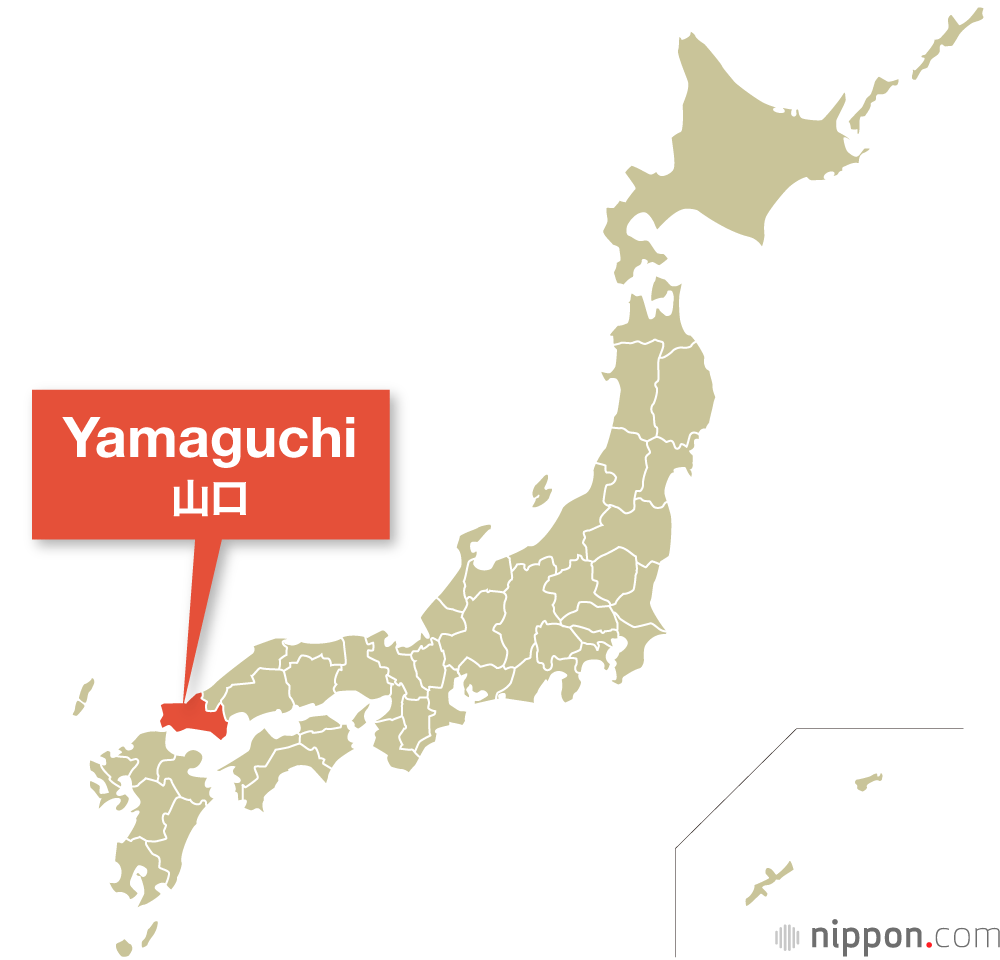
Yamaguchi Prefecture

The Prefectures of Japan Yamaguchi Prefecture

Yamaguchi Prefecture https://youtu.be/m3F_DvV7PsM?si=XXILNDgJxOE79W7Y Advert Yamaguchi Prefecture, at the western end of Honshū, is known for its natural attractions, its fugu pufferfish cuisine, and historic sites like the five-arched Kintai Bridge. Yamaguchi Prefecture is situated on the westernmost tip of Honshū in the Chūgoku region. It borders Shimane and Hiroshima Prefectures to the east and has a long, rugged coastline stretching from the Sea of Japan in the north to the Seto Inland Sea in the South. The inland is dominated by forested mountains. Yamaguchi Prefecture at a Glance Established in 1871 (formerly Suō and Nagato provinces) Capital: Yamaguchi Population: 1,342,000 (as of Oct. 2020) Area: 6,113 km2 The prefecture’s rich natural beauty and historical sites make it a popular tourist destination. There are the karst landscape and limestone caves of the Akiyoshidai plateau in the west, steep cliffs along the rocky northern coast, and numerous offshore islands in the calm Inland Sea waters. The city of Iwakuni is home to a feudal castle and the picturesque five-arched Kintai Bridge dating from the early Edo period (1603–1868). Industry is concentrated along the Seto Inland Sea coast and includes leading manufacturers in fields like iron and steel, chemicals, and machinery. The quaint city of Hagi in the north has long been a center of pottery. Yamaguchi’s robust agricultural sector produces a diverse array of fruits and vegetables along with staples like rice and high-end wagyū beef. The long coastline benefits the prefecture’s fisheries, which bring in such delicacies as fugu pufferfish and pike conger. Yamaguchi’s official PR character Choruru. Its peaked head represents the mountains of the prefecture, while the green, orange, and red colors symbolize Yamaguchi’s nature, cuisine, and history, respectively. Famous Figures Itō Hirobumi (1841–1909): Japan’s first prime minister and author of the Meiji Constitution. Uno Chiyo (1897–1996): Influential novelist and short-story writer known for her autobiographical fiction. Works available in English include Ohan, for which she won the prestigious Noma Literary Prize, and Irozange (trans. Confessions of Love). Abe Shinzō (1954–2022): Politician who represented Yamaguchi and Japan’s longest-serving prime minister (2006–7, 2012–20), felled by an assassin in 2022. https://www.youtube.com/watch?v=qFT-BvImF9M Paul (Poison Fish) Manjyu Woodmanwww.banzaijapan.xyz
Read More 🡥
Saitama Prefecture

The Prefectures of Japan Saitama Prefecture

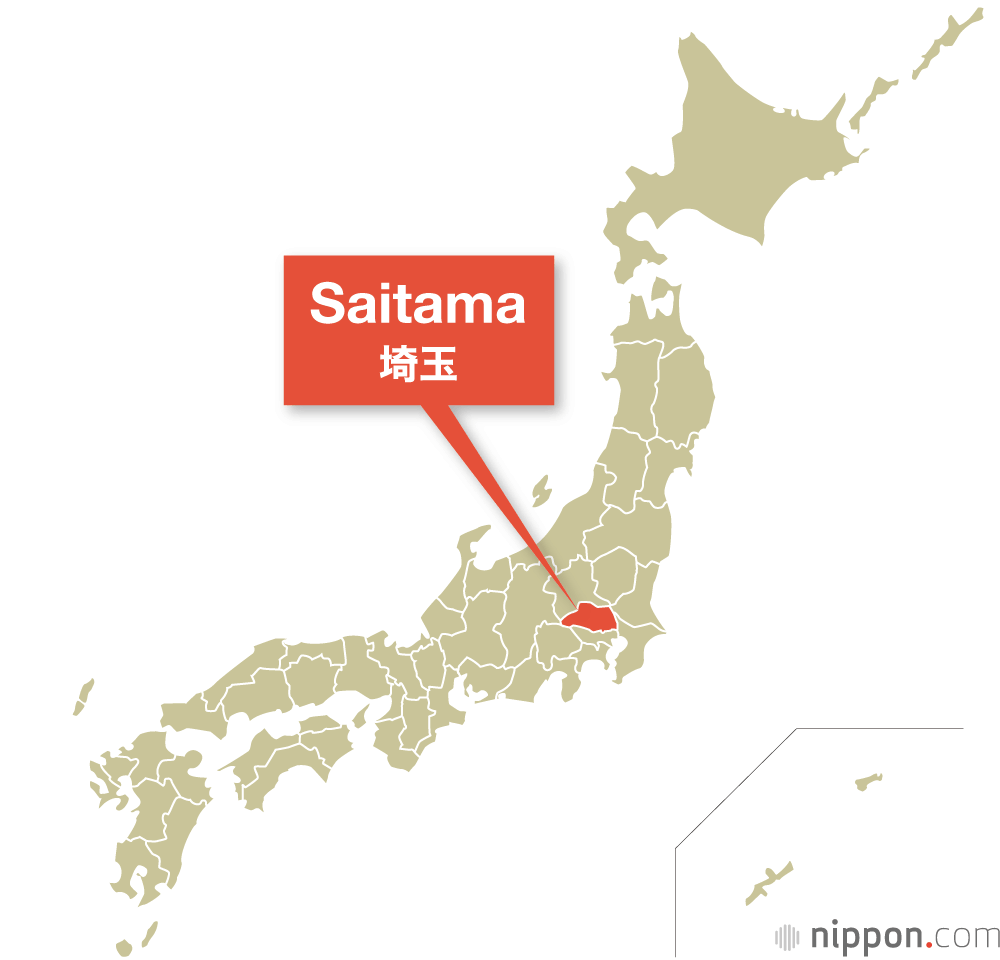
Saitama Prefecture Banzai Japan Idol Group Visit there Website Bordering Tokyo to the north, Saitama Prefecture is dotted by bedroom communities, but also boasts steep, picturesque mountains, and is a center of bonsai cultivation. Saitama Prefecture is located in the Kantō region, just north of Tokyo. The east of the landlocked prefecture is a mixture of urban and agricultural areas, and the west consists of the mountainous and heavily forested Chichibu region. The southeast of the prefecture, including the capital Saitama, is part of the greater Tokyo area, with many residents commuting into the metropolis for work and school. Saitama Prefecture at a Glance Established in 1876 (formerly part of Musashi province) Capital: Saitama Population: 7,345,000 (as of Oct. 2020) Area: 3,798 km2 Popular tourist attractions in Saitama include the city of Kawagoe, with its historic buildings reminiscent of the Edo period (1603–1868), and the nurseries of the bonsai village in Kita Ward of the city of Saitama. Chichibu, part of the Chichibu-Tama-Kai National Park, offers hiking and rafting. It is also home to the sprawling Mitsumine Shrine and the Chichibu Night Festival, featuring elaborate floats and fireworks. Saitama boasts a robust manufacturing sector that includes car parts and electronics. The prefecture is also known for various agricultural and forestry products. Traditional industry includes bonsai and hosokawashi, one of three types of Japanese handmade paper UNESCO inscribed in 2014 as an intangible cultural heritage of humanity. Saitama’s official mascot, Kobaton, is based on the prefecture’s official bird, the Eurasian collard dove. Famous Figures Shibusawa Eiichi (1840–1931): Meiji-era entrepreneur. His image features on the new ¥10,000 note. Hanawa Hokiichi (1746–1821): Blind scholar who was an inspiration to Helen Keller. Ogino Ginko (1851–1913): First licensed Japanese woman physician practicing Western medicine. https://www.youtube.com/watch?v=KWRRIpu6f24 Paul (Poison Fish) Manjyu Woodmanwww.banzaijapan.xyz
Read More 🡥
Fukuoka Prefecture

The Prefectures of Japan Fukuoka Prefecture

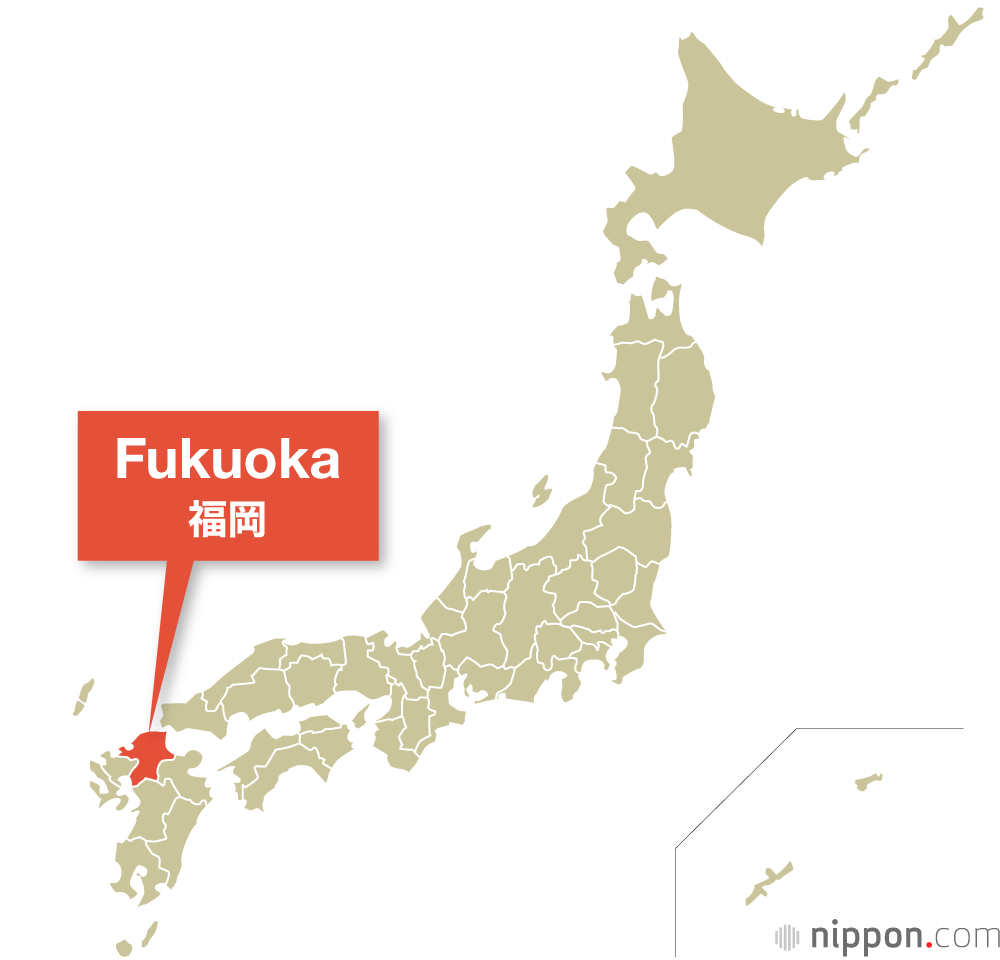
Fukuoka Prefecture Banzai Japan Idol Group Visit there Website Fukuoka Prefecture is home to the cities of Fukuoka and Kitakyūshū, comprising Japan’s largest urban area west of the Kansai region, and has historically been a center for international exchange thanks to its location close to the Asian mainland. Fukuoka Prefecture is located in northeastern Kyūshū. It faces the Genkai Sea to the west, Seto Inland Sea to the northeast, and Ariake Sea to the south. It is connected to Honshū via a tunnel under and a bridge spanning the Kanmon Strait. The inland of the prefecture is a mixture of plains, mainly in the north and east, and mountainous areas, particularly in the east and south. Kitakyūshū and the capital of Fukuoka are industrial centers, with the latter’s proximity to mainland Asia long making it an important international hub. Fukuoka Prefecture at a Glance Established in 1871 (formerly Buzen, Chikugo, and Chikuzen provinces) Capital: Fukuoka Population: 5,135,000 (as of Oct. 2020) Area: 4,987 km2 Fukuoka offers tourists a variety of natural, historical, and other sites to explore. The prefecture falls within the boundaries of Setonaikai National Park, which includes Mekari Park in Moji. The bustling capital of Fukuoka is famous for its rows of yatai (outdoor food stalls) and the raucous Hakata Gion Yamakasa festival, held in July. The former administrative center of Dazaifu is home to temples and the sprawling Tenmangū shrine. The Imperial Steel Works in Kitakyūshū is one of 23 facilities inscribed by UNESCO as symbolizing Japan’s industrial modernization during the Meiji era (1868–1912). Fukuoka is the economic center of western Japan and is a major hub of automobile-related industries. Other important manufacturing sectors include steel, chemicals, and a burgeoning biotechnology industry. The prefecture has a robust agricultural sector that produces staples like rice, along with a wide variety of fruits, vegetable, and garden plants. Fishing is also a core industry, including catches of sea bream and nori farmed in the Ariake Sea. Famous Figures Matsumoto Seichō (1909–92): Prolific writer best known for his crime novels, including Ten to sen (trans. Points and Lines) and Suna no utsuwa (trans. Inspector Imanishi Investigates). Takakura Ken (1931–2014): Actor who gained fame in the 1960s as a star of yakuza films, and later earned international fame with appearances in Hollywood productions including Black Rain. Tani Ryōko (1975–): Judoka and politician. Won back-to-back Olympic gold medals in the extra-light-weight division in 2000 and 2004. https://www.youtube.com/watch?v=DVN8nIvzwZk Paul (Poison Fish) Manjyu Woodmanwww.banzaijapan.xyz
Read More 🡥
Aomori Prefecture

The Prefectures of Japan Aomori Prefecture

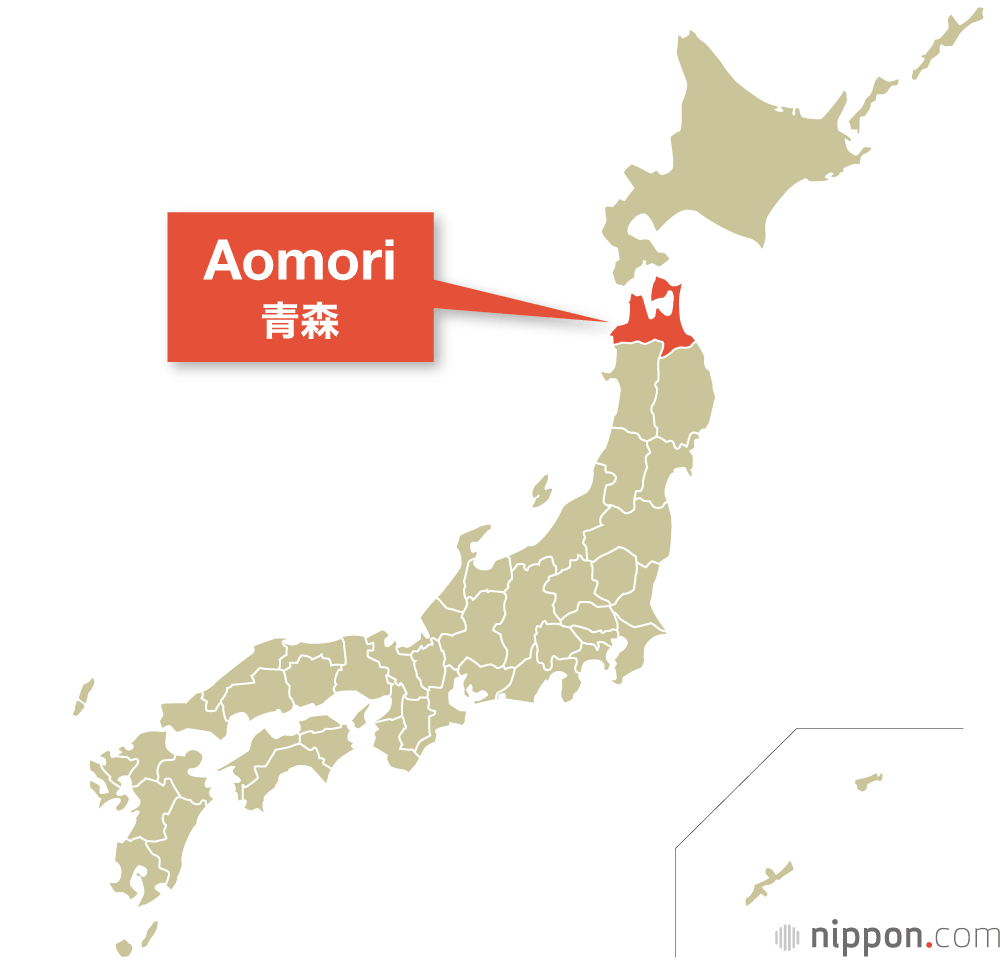
Aomori Prefecture Banzai Japan Idol Group Visit there Website Aomori Prefecture lies at the northern tip of Honshū, Japan’s largest island. Famed for its apples, its seafood, and its natural beauty, this remote part of the country is rich in wild landscapes to explore. Aomori Prefecture is the northernmost part of the Tōhoku region, located at the northern tip of Honshū. Its location ensures it cold winters with plenty of snow, but its coastlines on both the Sea of Japan and Pacific Ocean bring it plenty of climatic variety. Aomori’s apples are famed nationwide, and its fishing ports like Ōma are known for landing some of the most highly prized tuna on the Japanese market. Aomori Prefecture at a Glance Established in 1871 (formerly part of Mutsu province) Capital: Aomori Population: 1,238,000 (as of Oct. 2020) Area: 9,646 km2 Aomori’s largest city is the prefectural capital, also called Aomori, followed by Hachinohe and Hirosaki. Even the capital only has some 280,000 residents, though, and the prefecture as a whole is sparsely populated. Its two main peninsulas, the Tsugaru Peninsula to the west and the curved Shimokita Peninsula to the east, enclose Mutsu Bay. The southern portion of Aomori is mountainous, featuring peaks like the 1,625-meter Mount Iwaki that overlooks Hirosaki and the Hakkōda range, and the picturesque Lake Towada, on the border with Akita Prefecture in the south center of Aomori. Aomori’s distance from Tokyo long made it difficult to access for business and other travel, but the 2002 extension of the Tōhoku Shinkansen line to Hachinohe, and the 2010 extension as far as Shin-Aomori in the capital, made it possible to journey from Tokyo to the city of Aomori in as little as 3 hours, 10 minutes. In 2016, a further Shinkansen extension connected Shin-Aomori with Shin-Hakodate-Hokuto station in Hokkaidō, traveling under the Tsugaru Strait via the Seikan Tunnel, the world’s longest tunnel beneath the sea. Aomori’s main industries are farming, fishing, and forestry. On a calorie basis it is the fourth highest in the nation in terms of food self-sufficiency, producing 123% of its needs as of fiscal 2019. It leads Japan in the production of apples, garlic, and gobō, or burdock root. From the sea, Aomori’s fishing fleet haul in some of the country’s most prized tuna each year, particularly at the northern port of Ōma; Aomori ranks near the top in Japan for tuna, akaika (flying squid), scallops, and konbu seaweed, among other marine products. Aomori’s wild nature attracts considerable numbers of tourists, who come to admire sights like the Shirakami-Sanchi, a wilderness region featuring an old-growth beech forest inscribed as a UNESCO natural World Heritage site in 1993, and the Oirase Gorge. Hirosaki Park in the city of Hirosaki is a renowned cherry-blossom-viewing destination, and the prefecture’s volcanic activity ensures a steady stream of tourists enjoying hot springs like Furōfushi Onsen and Sukayu, as well as the fearsome landscapes of Osorezan, a “sacred spot” viewed as an ideal place to commune with the dead. In the city of Aomori, meanwhile, the annual Nebuta Matsuri is a major event on the festival calendar, attracting well over a million viewers in peak years. Famous Figures Dazai Osamu (1909–48): Writer. Born Tsushima Shūji, during his short and turbulent life he dabbled with communism in the prewar years while he honed his craft writing autobiographical novels and short stories. Following the war he reached the height of his career with celebrated works like Shayō (trans. The Setting Sun) and Ningen shikkaku (trans. No Longer Human). Drowned himself in west Tokyo along with a lover in 1948. Yano Akiko (1955–): Musician. Although born in Tokyo (as Suzuki Akiko), she grew up in Aomori before launching her music career with the 1976 album Japanese Girl. Went on to collaborate and tour with bands like Yellow Magic Orchestra, in addition to recording tracks and providing voice work for Studio Ghibli shorts and full-length films. https://www.youtube.com/watch?v=VfelvCnfmdQ Paul (Poison Fish) Manjyu Woodmanwww.banzaijapan.xyz
Read More 🡥
Iwate Prefecture

The Prefectures of Japan Iwate Prefecture

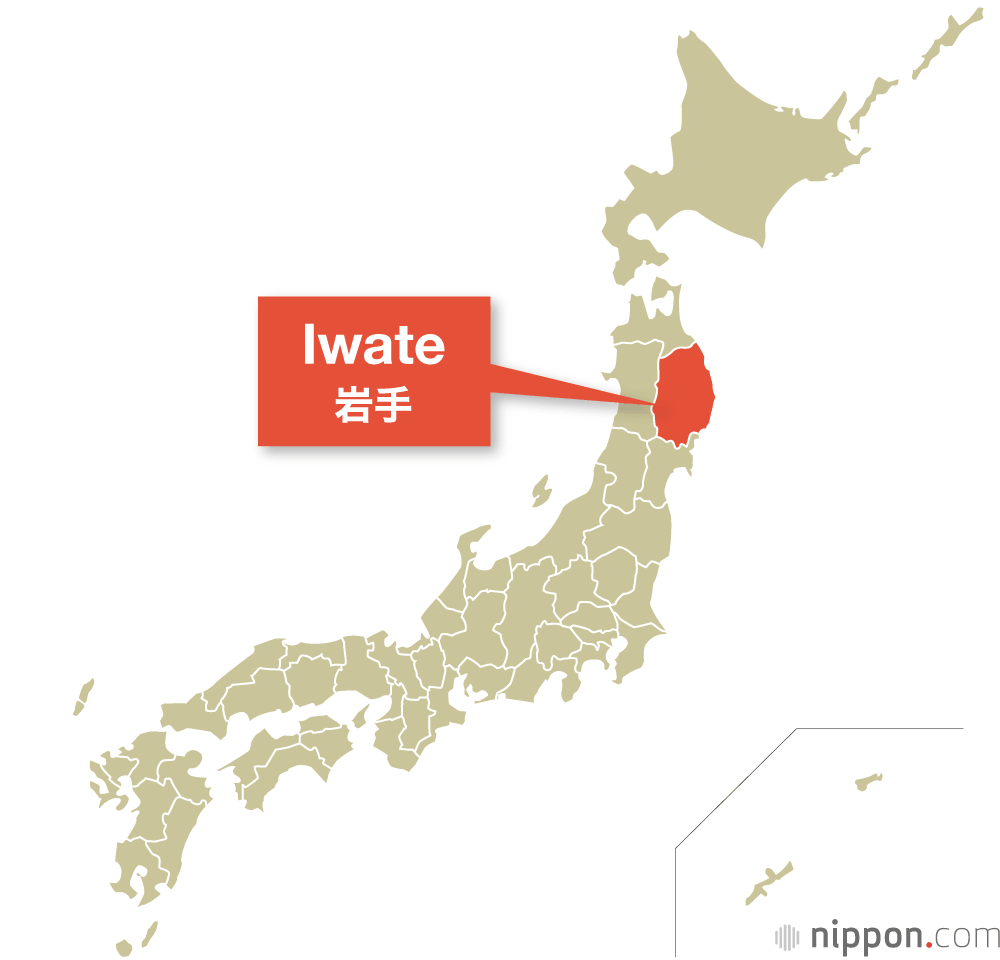
Iwate Prefecture Banzai Japan Idol Group Visit there Website The sparsely populated Tōhoku prefecture of Iwate is home to both rugged mountains inland and an extensive coastline on the Pacific Ocean. Rich in history, it is also the site of Hiraizumi, whose Buddhist temples earned it a World Heritage designation in 2011. Iwate Prefecture is in the Tōhoku region, located on the Pacific coast of Honshū. It is the second largest prefecture in Japan, behind only Hokkaidō, but a low population density leaves it with plenty of space for natural beauty. Ski resorts in the west of the prefecture and spectacular coastal views in the east draw visitors year-round. Iwate Prefecture at a Glance Established in 1871 (formerly part of Mutsu province) Capital: Morioka Population: 1,211,000 (as of Oct. 2020) Area: 15,275 km2 Iwate’s capital, Morioka, is the largest city in the prefecture, but is still home to fewer than 300,000 people. Much of the population is concentrated along the Kitakami River, Japan’s fifth longest, in the prefecture’s west, also the route taken by the Tōhoku Shinkansen line. The western border of the prefecture, shared with Akita, is mountainous and sees heavy snow in the winter. Ski resorts like Shizukuishi, Hachimantai, and Appi—all near the prefecture’s tallest peak, the 2,038-meter Mount Iwate—enchant winter sports fans with their long runs and lack of crowds. The Pacific coast was heavily hit by tsunami following the March 11, 2011, Great East Japan Earthquake, which made the names of cities like Miyako and Kamaishi known nationwide and even around the world. Cape Todo, on the prefecture’s central coast, is the easternmost point on the main island of Honshū. Despite its distance from the centers of Japanese culture in antiquity, Iwate was home to a major center of Buddhism in the north. Hiraizumi, a city designed according to Pure Land Buddhist principles in the eleventh and twelfth centuries, earned UNESCO World Heritage status in 2011 for its gardens, archaeological sites, and temples including Chūsonji and Mōtsūji. Iwate’s small population means it is no industrial powerhouse, but it ranks fifth in the nation in forestry, providing some 5% of the nation’s lumber based on value as of 2015. Its rugged ria coastline, characterized by narrow inlets separated by high ridges, makes it ideal for production of shellfish, particularly abalone, in which it leads Japan. By no means a major industry, but one prized by tea aficionados, is Nanbu tekki, cast iron pots made in and around Morioka for some four centuries. Iwate is a land of literature and folktales. The folklorist Yanagita Kunio in 1910 wrote Tōno monogatari (Tales of Tōno), a collection of stories collected in the central Iwate district of Tōno, establishing the modern foundations of Japanese folklore studies. The early twentieth century also saw the writing career of Miyazawa Kenji, whose stories of the Iwate-inspired land of Ihatov are loved to this day. The Wanko Kyōdai, siblings based on the popular Morioka dish wanko soba (endless tiny bowls of soba noodles brought in rapid succession to diners until they have had their fill), are Iwate Prefecture’s official mascots. Famous Figures Miyazawa Kenji (1896–1933): Writer. Plagued by illness for much of his life, during which he received little recognition, in death he became known for his works set in Ihatov, his fictional land based on Iwate. Best known for the poem “Ame ni mo makezu” (trans. “Undefeated by the Rain”) and novels like Ginga tetsudō no yoru (trans. Night on the Galactic Railroad). Nitobe Inazō (1862–1933): Educator. Studied agricultural policy in the United States before returning to Japan, where he taught at universities in Sapporo, Kyoto, and Tokyo and devoted himself to women’s education as the first president of Tokyo Women’s Christian University. Known also as the author of Bushidō: The Soul of Japan.   https://www.youtube.com/watch?v=j5gy6QLq8wg Paul (Poison Fish) Manjyu Woodmanwww.banzaijapan.xyz
Read More 🡥
Miyagi Prefecture

The Prefectures of Japan Miyagi Prefecture

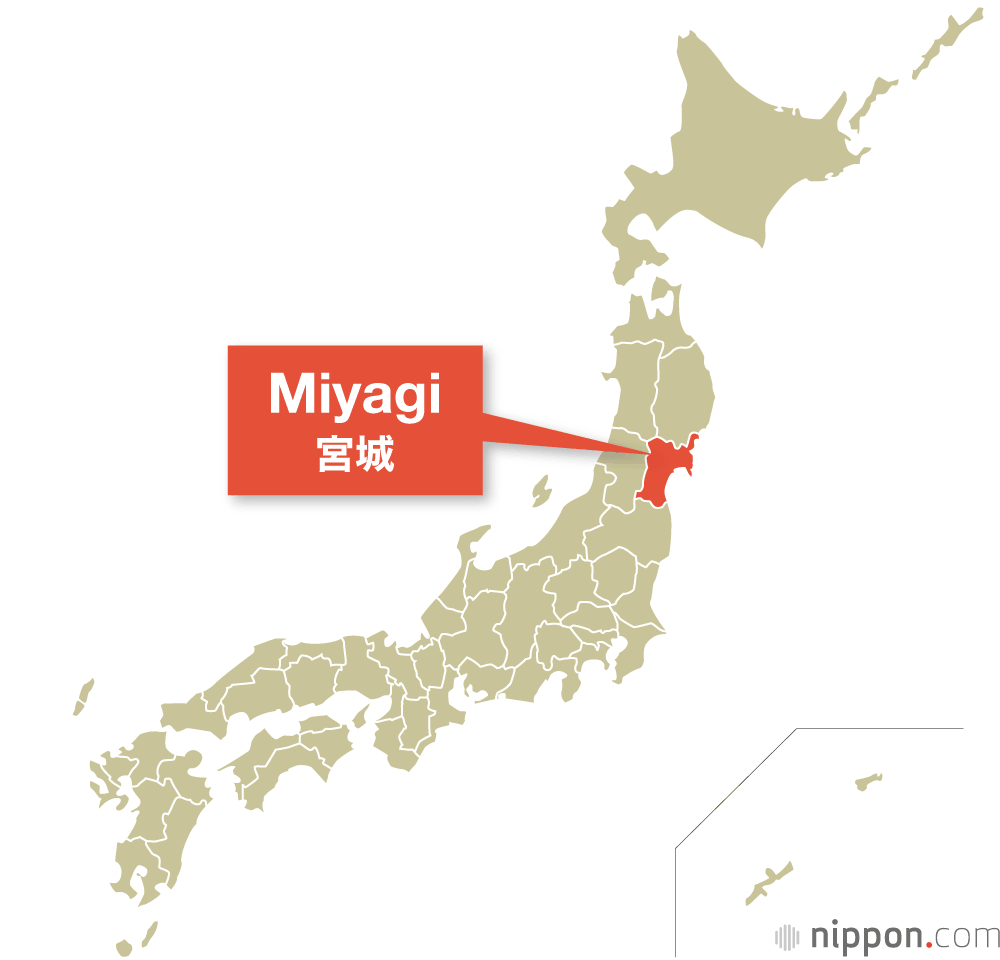
Miyagi Prefecture Banzai Japan Idol Group Visit there Website Miyagi Prefecture has long been known for its magnificent coastline, and is the most populous prefecture in the Tōhoku region of northern Honshū. Miyagi Prefecture lies on the Pacific coast of Honshū in the northern Tōhoku region. Rich in wild beauty, with almost a quarter of its territory falling inside of natural parks, it is famed for its coastline, in particular the hundreds of rocky islands of Matsushima, considered to be one of the three most spectacular scenic views in Japan. Miyagi Prefecture at a Glance Established in 1872 (formerly part of Mutsu province) Capital: Sendai Population: 2,302,000 (as of Oct. 2020) Area: 7,282 km2 Miyagi’s capital is Sendai, the largest city in the Tōhoku district, with more than a million people calling it home. The prefecture’s location on the eastern side of the island of Honshū means that the high mountains along its western border with Yamagata Prefecture protect it from the worst of the winter storms blowing in from Siberia, and it enjoys relatively warm winters compared to neighboring areas in Japan’s north. Miyagi borders Iwate and Akita to the north, Yamagata to the west, and Fukushima to the south. The west of the prefecture is mountainous, lying along the long Ōu range extending from Aomori in the north to Tochigi in the south. The bulk of the prefecture’s center is relatively flat, making it ideal for agriculture. Miyagi ranks first in the nation in production of seri (Japanese parsley) and bell peppers, and second in soybeans and Malabar spinach. The northern Miyagi coast, including the Oshika Peninsula, presents rugged terrain characterized by numerous ria inlets. This was the area closest to the epicenter of the March 11, 2011, Great East Japan Earthquake, and many coastal communities like Kesennuma and Ishinomaki saw severe damage and high numbers of casualties in the disaster. The prefecture’s rich seas place Miyagi near the nation’s top in its production of nori and wakame seaweed, oysters and scallops, and farmed Coho salmon. Miyagi’s shoreline is famed for its beauty, with the hundreds of islets of Matsushima being counted among Japan’s three most scenic spots. This area has been celebrated for centuries, as seen by the poet Matsuo Bashō’s visit to it in 1689, when he described it as the finest scenery in the country. Electronics and other manufacturing industries cluster around the capital and largest city of Sendai, forming another mainstay of the prefectural economy. Figuring large in the history of Miyagi was the renowned military tactician Date Masamune (1567–1636), who built Aoba Castle in Sendai and served as the first daimyō of the Sendai domain. During the Edo period (1603–1868) Sendai was the administrative center of the Mutsu province, extending north to include present-day Iwate and Aomori. Musubimaru, the tourism PR character of Sendai, Miyagi, has a face calling to mind a ball of Miyagi’s delicious rice, and wears a helmet called a katchū like that worn by Date Masamune. Famous Figures Yoshino Sakuzō (1878–1933): Political scientist. In the 1910s, he spent several years doing research in Europe and the United States; upon his return to Japan, he began exploring ways to implement democratic principles in his country, refining the minpon-shugi theory that placed people at the center of democracy without doing away with the imperial institution. Known as a father of the Taishō democracy that flowered during the interwar years. Fukuhara Ai (1988–): Table tennis player. Competed at the 2004 Athens Olympics, becoming the youngest-ever table tennis athlete to take part in the games. She would also compete in Beijing (2008), where she was the national team’s flag-bearer, London (2012), and Rio de Janeiro (2016). Hanyū Yuzuru (1994–): Figure skater. Won two Olympic gold medals in the men’s singles competition, in Sochi in 2014 and Pyeongchang in 2018. Turned professional in 2022 and remains one of the most popular athletes in any sport in Japan. https://youtu.be/60JaJn1zabE?si=IqlFu7HfijX6DpzH Paul (Poison Fish) Manjyu Woodmanwww.banzaijapan.xyz
Read More 🡥
Akita Prefecture

The Prefectures of Japan Akita Prefecture

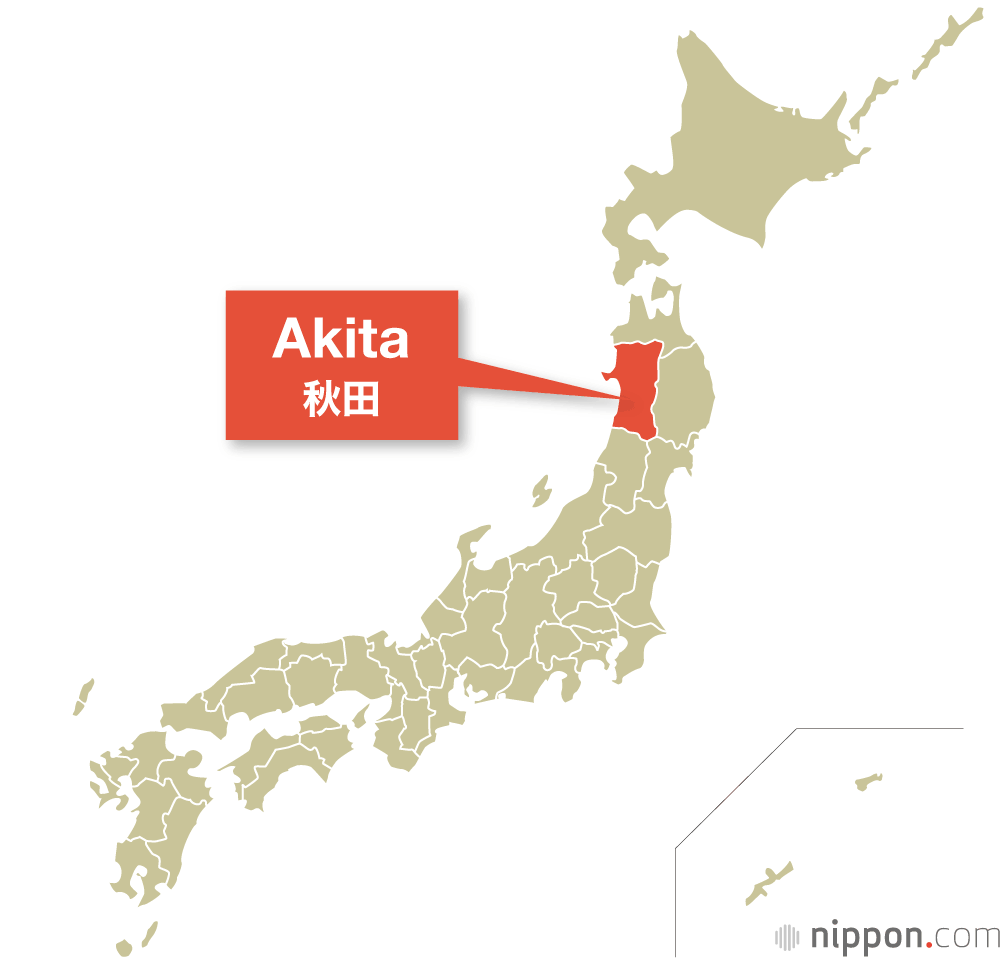
Akita Prefecture https://youtu.be/m3F_DvV7PsM?si=XXILNDgJxOE79W7Y The remote Akita Prefecture, in the northern Tōhoku region of the main island of Honshū, is known for its cold, snowy winters and as the birthplace of beautiful women. Akita Prefecture, on the Sea of Japan coast in the Tōhoku region, is the sixth largest prefecture by area, but thirty-eighth by population. Its rugged mountains, harsh winter weather, and distance from the country’s population centers make it a place to go to get away from it all; more than 10% of the prefecture’s land falls inside of natural parks. Akita Prefecture at a Glance Established in 1871 (formerly parts of Dewa and Mutsu provinces) Capital: Akita Population: 960,000 (as of Oct. 2020) Area: 11,638 km2 Banzai Japan Idol Group Visit there Website The city of Akita, the prefectural capital, is the largest in the prefecture, with more than 300,000 residents. Siberian storms in winter bring it heavy snowfall, like much of the Japan Sea coastal regions of Honshū and Hokkaidō—the city is often included on top-10 lists of the world’s major cities with the most annual snowfall. The coastline is largely straight and smooth, with the exception of the Oga Peninsula in the northwest of the prefecture; in the center and east lie the Dewa and Ōu mountain ranges. Akita borders Aomori to the north, Iwate to the west, and Miyagi and Yamagata to the south. In 1997 the Akita Shinkansen was completed, connecting the capital to Morioka, Iwate, and south to Tokyo on the Tōhoku Shinkansen route. Akita’s natural resources long made it a regional economy dependent largely on agriculture, forestry, and fishing. Since World War II, however, the prefecture has come to produce a range of industrial products, such as radio receivers and camera lenses, in which it led the nation as recently as 2008. One particularly adorable natural resource from the prefecture is the Akita-inu, a breed of dog selected as a national natural monument. The most famous of these was the faithful Hachikō, whose statue is a popular meeting point outside Tokyo’s Shibuya Station. Akita is still known as a major rice producer. One of its most famous contributions to Japanese cuisine, kiritanpo, is pounded rice molded around wooden skewers and toasted over an open flame before being eaten with miso paste or as a main nabe hot-pot ingredient. The namahage, frightfully costumed ogres who barge into homes on the Oga Peninsula each New Year’s Eve and ask whether the children are behaving properly, are a famous aspect of Akita’s local culture. In the summer, a major tourist draw is the Ōmagari National Fireworks Competition, which brings together the nation’s top pyrotechnicians to show their best work to hundreds of thousands of observers. Akita is also known as the birthplace of Ono no Komachi, a ninth century poetess celebrated as one of the Rokkasen, or “poetic immortals,” and for her beauty, said to be such that to this day her name is a synonym for feminine beauty. Her name has also been given to the Komachi train service connecting Akita with Tokyo on the Shinkansen network. Ndatchi, the prefectural mascot, is a robot in the form of a namahage child who has come from the future to spread the word about Akita’s charms. Famous Figures Suga Yoshihide (1948–): Politician. Served as chief cabinet secretary to Prime Minister Abe Shinzō from 2012 to 2020 before taking the premiership himself from 2020 to 2021. Akashi Yasushi (1931–): Diplomat. After graduating from the University of Tokyo, went to the United States as a Fulbright Scholar and later a graduate student at the Tufts University Fletcher School of Law and Diplomacy. In 1957 he became the first Japanese national to go to work for the United Nations Secretariat; he would go on to serve in a number of key roles, rising to the position of under-secretary-general. He also served as Japan’s ambassador to the United Nations.   https://www.youtube.com/watch?v=NOzd7vFfP0k Paul (Poison Fish) Manjyu Woodmanwww.banzaijapan.xyz
Read More 🡥
Tokyo Metropolis

The Prefectures of Japan Tokyo Metropolis

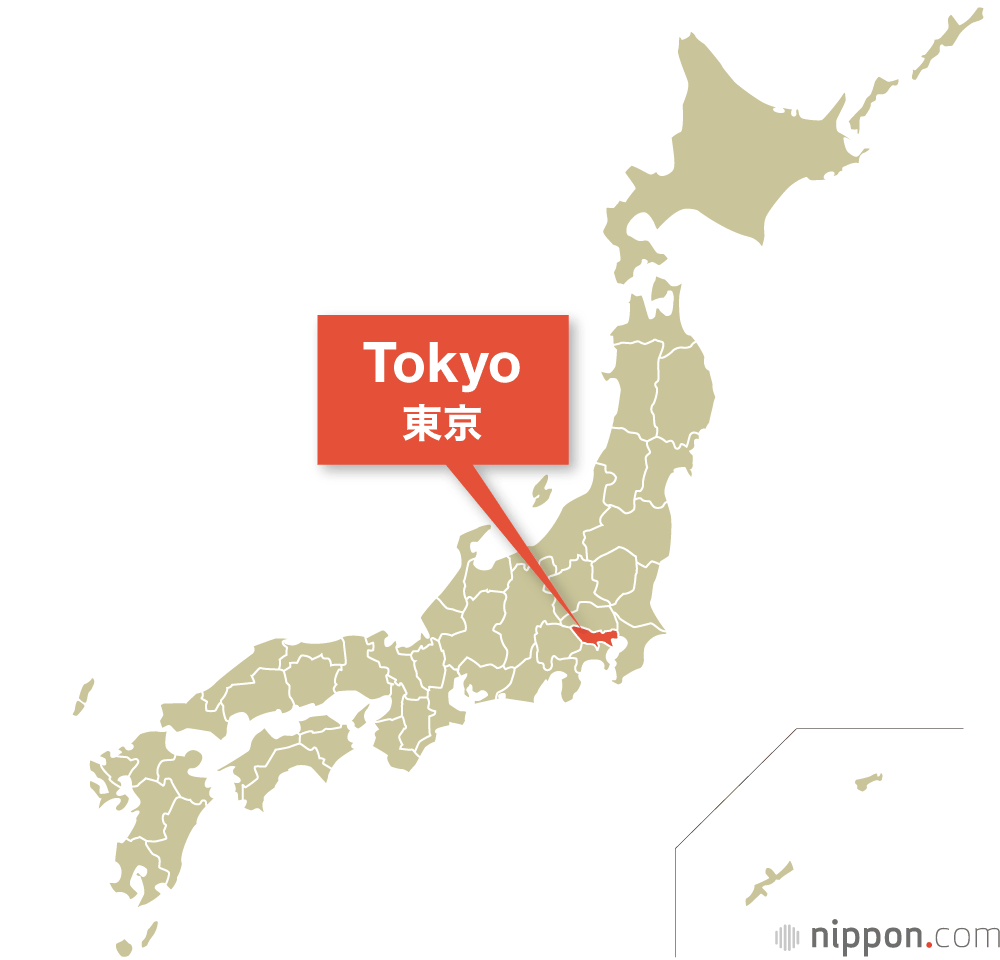
Tokyo Metropolis Banzai Japan Idol Group Visit there Website Japan’s largest population center and main economic engine, and home to the nation’s capital, Tokyo is known around the world. Renowned as one of the world’s top cities and the capital of Japan, administratively Tokyo is actually a metropolis (to), a special kind of prefecture, and it is made up of numerous municipalities. The main parts of the metropolis are in Kantō. Central Tokyo consists of the 23 municipalities in the east, where the urban sprawl is most concentrated, while western Tokyo is less built up; to the east is Tokyo Bay. The metropolis also administers a number of distant islands, including the Izu and Ogasawara Islands. Its population of 14 million is by far the greatest among Japan’s prefectures. Tokyo Metropolis at a Glance Established in 1871 (formerly Musashi province) Capital: Shinjuku (seat of the metropolitan government) Population: 14,048,000 (as of Oct. 2020) Area: 2,194 km2 Tokyo has been the political center of Japan since Tokugawa Ieyasu established his shogunate in the city under its former name of Edo in 1603. After the fall of the shogunate in 1868, the city was renamed Tokyo and officially became the nation’s capital. What was once Edo Castle is now known as the Imperial Palace; as the residence of Japan’s imperial family, it has only a few sections open to visitors. Many tourists go to the public Higashi-Gyoen gardens on the palace grounds. Asakusa and its temple Sensōji, famous for its “thunder gate” Kaminarimon, are also essential for Tokyo sightseers. Tokyo Tower is a longstanding icon of the city; it was joined by another soaring structure, Tokyo Skytree, in the twenty-first century. Several Tokyo districts themselves have become international names. In the west, Shinjuku is a thriving entertainment and business district home to the Tokyo Metropolitan Government Office, while Shibuya’s scramble crossing has become a symbol of the urban bustle. Nearby Harajuku is a hangout for fashion fans, as well as the setting for Meiji Shrine and its sacred forest. On the eastern side of the Yamanote railway line ringing central Tokyo, Akihabara is known for electronics and otaku goods, and Ginza is associated with high-end shopping. Tokyo is a major global financial center, and the Tokyo Stock Exchange is one of the world’s leading exchanges. The Bank of Japan is based in the prefecture, along with the headquarters of the country’s three megabanks. There are many national government and administrative offices, along with head offices of major corporations. Japan’s media organizations and its publishing and printing industries are concentrated in the metropolis, and there are also many universities and other academic institutions. Toyosu Market is one of the world’s biggest fish markets, known for its famous tuna auctions. Edo kiriko cut glass is a longstanding traditional craft. Unlike most prefectures, Tokyo does not have a general mascot associated with it. Miraitowa (left) and Someity were memorable Tokyo 2020 characters. The name for the Olympic mascot Miraitowa derives from the Japanese words for “future” (mirai) and “eternity” (towa) while the name for Paralympic mascot Someity comes from the somei yoshino variety of cherry trees, and also evokes the English “so mighty.” Both designs are influenced by the 2020 logos with their Ichimatsu moyō checkered pattern. Famous Figures Ono Yōko (1933–): Avant-garde artist, singer, and peace activist. Miyazaki Hayao (1941–): Animator and director of critically acclaimed films including My Neighbor Totoro and Spirited Away, which won the Academy Award for Best Animated Feature. https://www.youtube.com/watch?v=QP5QLZFsOlQ Paul (Poison Fish) Manjyu Woodmanwww.banzaijapan.xyz
Read More 🡥
Kanagawa Prefecture

The Prefectures of Japan Kanagawa Prefecture

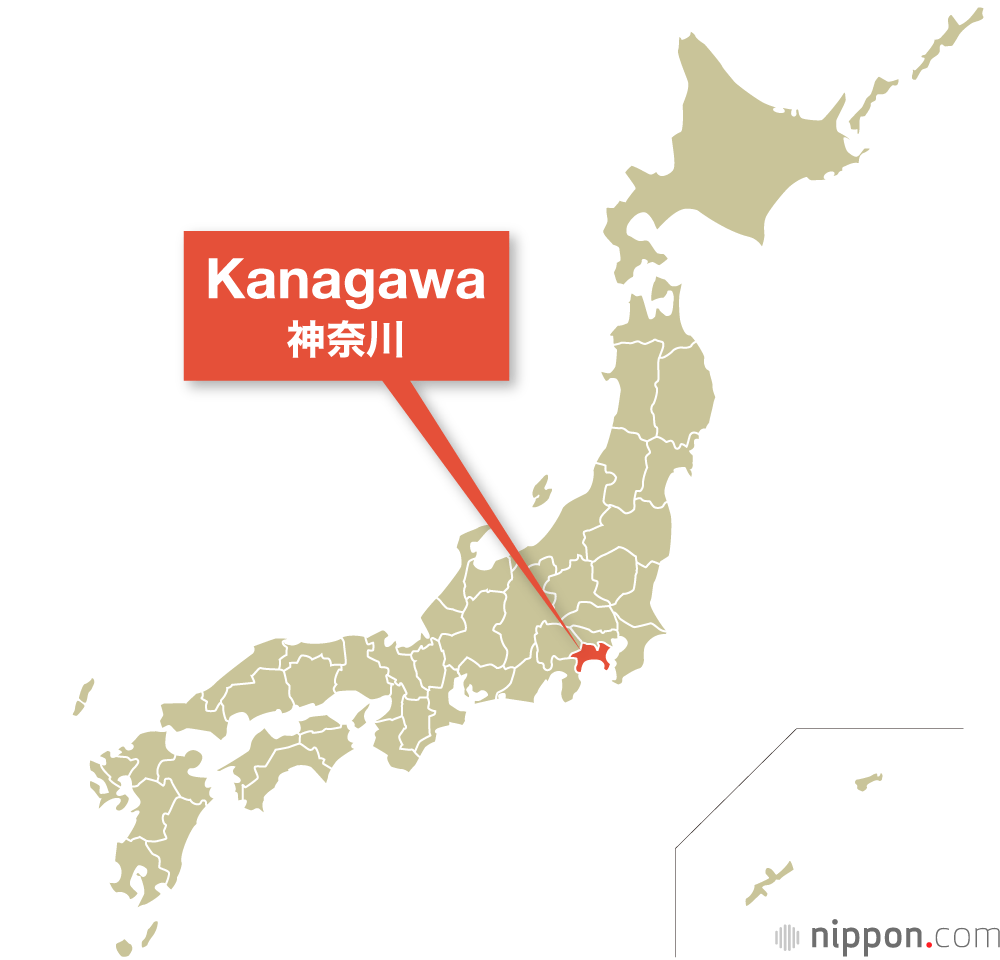
Kanagawa Prefecture Banzai Japan Idol Group Visit there Website Kanagawa Prefecture, immediately to the south of Tokyo, is a center for industry and is also known for its rugged coastline, mountains, and hot springs. Kanagawa Prefecture is located south of Tokyo in the southern part of the Kantō Region. It has an extensive coastline, stretching 435 kilometers along Tokyo Bay to the east and the Pacific Ocean to the south. It is the second largest prefecture by population and is home to Yokohama, the country’s most populous city. Kanagawa Prefecture at a Glance Established in 1868 (formerly Musashi and Sagami provinces) Capital: Yokohama Population: 9,237,000 (as of Oct. 2020) Area: 2,416 km2 The northeastern section of the prefecture is part of the greater Tokyo area and includes the capital Yokohama and Kawasaki, known as an industrial center. The Miura Peninsula in the southeast boasts a rugged coastline and scenic beaches, and to the west stretches the arced coast of Sagami Bay. Inland is a mixture of heavily urbanized areas and farmland, with the western half of the prefecture punctuated by the tourist destination of Hakone and the foothills of Mount Fuji. Kanagawa has a robust industrial sector, centering on the Keihin Industrial Zone along Tokyo Bay, and is also an R&D hub for fields like IT and medicine. Global companies based in the prefecture include Fujitsu, Nissan, Sony, and Takeda Pharmaceutical. Agricultural output in the prefecture is modest, while Kanagawa’s long coastline supports a robust fishing industry that includes the port of Misaki on the Miura Peninsula, a major center of tuna fishing. Kanagawa’s long coastline attracts beachgoers and others looking to enjoy the prefecture’s abundant sunshine and sea air. The Shōnan area, a popular getaway for Tokyo residents, includes the island Enoshima, the feudal capital of Kamakura, and the surfing hub Chigasaki. In the west are the castle town of Odawara and the mountains, lakes, and hot springs of Hakone. Kanagawa’s official mascot, Kanagawa Kintarō, is based on the popular Japanese folklore character Kintarō, a child of legendary strength and bravery who was raised on Mount Ashigara near Hakone. Famous Figures Koizumi Jun’ichirō (1942–): Politician and prime minister of Japan, 2001–6. Antonio Inoki (1943–2022): Legendary professional wrestler and promoter, famed for taking on world champion boxer Muhammad Ali in 1976. Yamada Waka (1879–1957): Pioneering feminist and social reformer.   https://www.youtube.com/watch?v=jUPGjyH5YbA Paul (Poison Fish) Manjyu Woodmanwww.banzaijapan.xyz
Read More 🡥
Niigata Prefecture

The Prefectures of Japan Niigata Prefecture

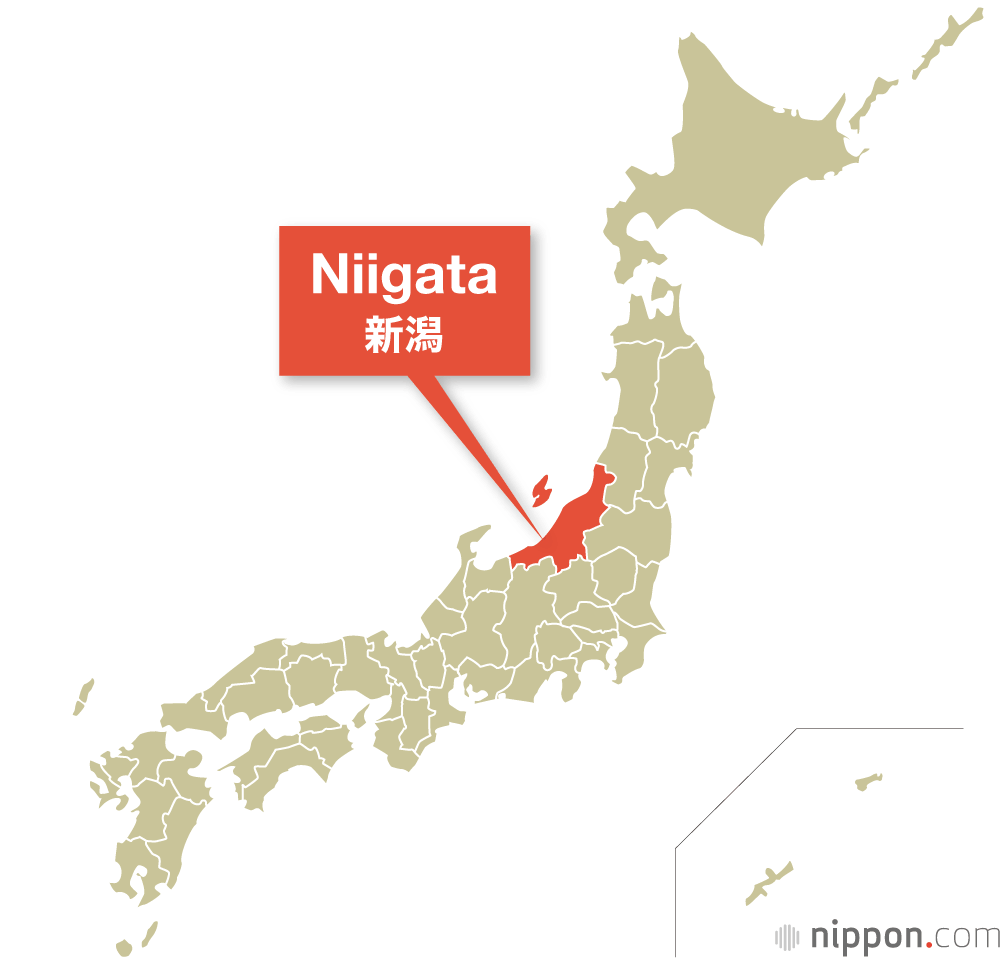
Niigata Prefecture Banzai Japan Idol Group Visit there Website Niigata Prefecture is known for its heavy snow, its ornamental carp, and the island of Sado, which was once a place of exile and is now a habitat for the crested ibis. Niigata Prefecture lies on Japan’s west coast, in the Hokuriku region, stretching out beside the Sea of Japan. While its borders with neighboring prefectures are mountainous, there are flatter areas toward the coast. Niigata includes the major island of Sado and the mouth of the Shinano River, Japan’s longest. The prefecture is known for its heavy snow, and is the setting for Kawabata Yasunari’s novel Yukiguni Niigata Prefecture at a Glance Established in 1876 (formerly Echigo and Sado provinces) Capital: Niigata Population: 2,201,000 (as of Oct. 2020) Area: 12,584 km2 Once a place of exile, the island of Sado is now a popular tourist destination. Visitors can explore its former gold mine, which helped to support the economy of the shogunate during the Edo period (1603–1868). It is also a habitat for the crested ibis, which has been successfully reintroduced to the island after local extinction. On the mainland, Yuzawa is known for its ski resorts and onsen hot springs. The nearby Mount Tanigawa is a celebrated mountain-climbing destination, but also a dangerous one, accounting for more deaths than any other peak in Japan. Niigata Prefecture has a long tradition of producing high-quality rice, including particularly the superior Koshihikari variety, as well as related products like sake. It is the home of the ornamental carp nishikigoi, which have become a favorite with collectors overseas. While Japan mainly imports its fuel, the prefecture also has some of the country’s oil and gas projects. The official mascot for Niigata is Lerch, based on the Austro-Hungarian officer Theodor Edler von Lerch, who popularized the sport of skiing in Japan. Famous Figures Tanaka Kakuei (1918–93): Prime minister of Japan from 1972 to 1974, he is remembered for establishing postwar relations with China and his involvement in the Lockheed Scandal. Watanabe Ken (1959–): Actor who made his name in Japan before becoming an international star. Hirano Ayumu (1998–): Snowboarder with three Olympic medals in the men’s half-pipe event, including a gold in 2022. https://www.youtube.com/watch?v=WbkpBbvQ3ts Paul (Poison Fish) Manjyu Woodmanwww.banzaijapan.xyz
Read More 🡥
Toyama Prefecture

The Prefectures of Japan Toyama Prefecture

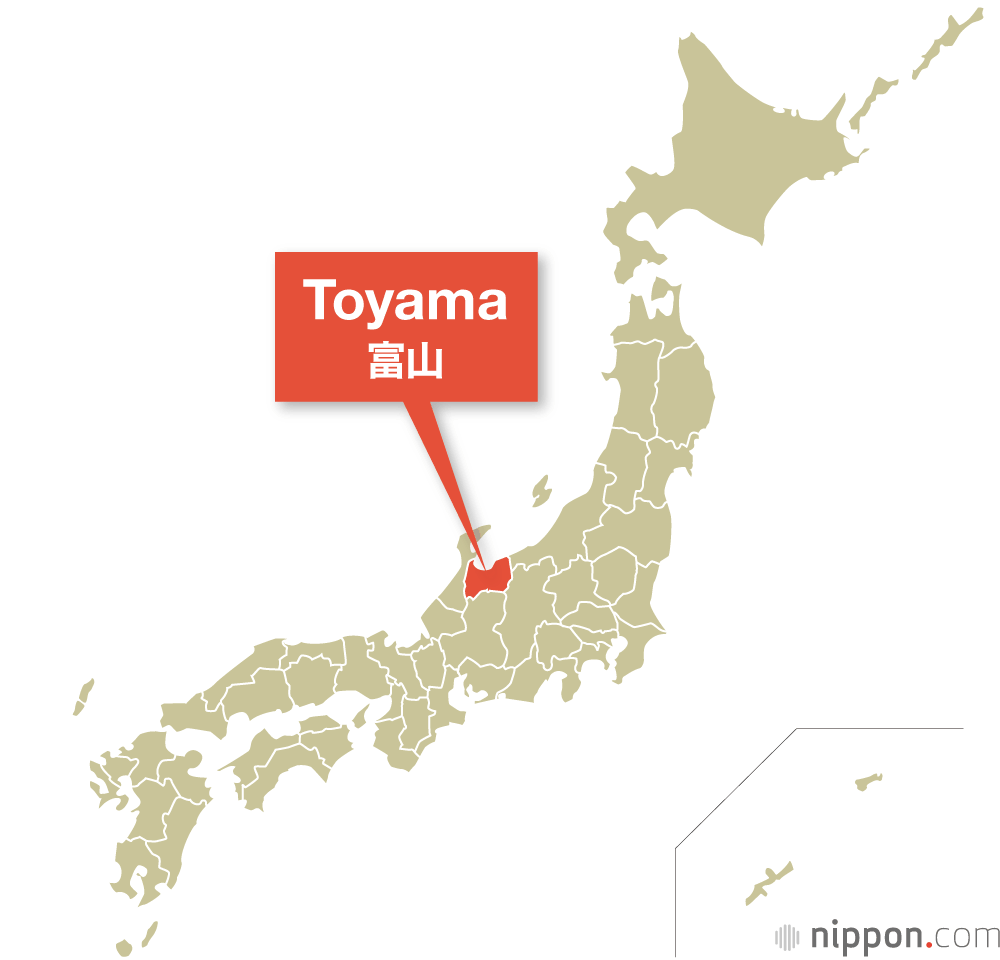
Toyama Prefecture Banzai Japan Idol Group Visit there Website Toyama Prefecture highlights include the Tateyama Kurobe Alpine route and its “snow corridor,” and the fresh fish and seafood, including the local delicacy, the firefly squid. Toyama Prefecture is located in the Hokuriku region of Japan. It is surrounded on three sides by land, with Toyama Bay and the Sea of Japan lying to its north. The Tateyama mountain range towers in the southeast of the prefecture, rising above 3,000 meters. Cloudy skies and precipitation are common through much of the year. Toyama Prefecture at a Glance Established in 1871 (formerly Etchū province) Capital: Toyama Population: 1,035,000 (as of Oct. 2020) Area: 4,248 km2 Visitors can cross the mountains of Tateyama via the Tateyama Kurobe Alpine route leading to Nagano Prefecture. The route is known particularly for its “snow corridor” near the highest point of Murodō, with great white walls that reach up to 20 meters high between April and June. Picturesque farmhouses with steep, thatched roofs at Gokayama have been inscribed on the UNESCO World Heritage List, together with neighbors at Shirakawa-gō in Gifu Prefecture. Kurobe Gorge’s scenic railway offers spectacular views of the river below and surrounding peaks. Toyama Prefecture is a major rice producer, while the city of Tonami is well known for its tulips. Toyama Bay supplies a great deal of fresh fish and seafood, including the local delicacy, the firefly squid. Traditional medicine salesmen who used to travel the country laid the foundations for today’s robust pharmaceutical industry in the prefecture. The city of Takaoka produces over 90% of Japan’s copperware, and the metal-casting industry is symbolized by the local Daibutsu, or Great Buddha. Kitokito-kun is the official mascot for Toyama, taking his name from kito kito, a term in the local dialect that can mean either “fresh” or “lively.” His hairstyle represents the Tateyama mountain range. Famous Figures Fujiko F. Fujio (1933–96): The creator of Doraemon, one of Japan’s most famous characters. Ueno Chizuko (1948–): Feminist, sociologist, and writer, known for her highlighting of issues like gender inequality. Hosoda Mamoru (1967–): Director of anime films including The Girl Who Leapt Through Time and Wolf Children. https://www.youtube.com/watch?v=gwtT9BGLuJs Paul (Poison Fish) Manjyu Woodmanwww.banzaijapan.xyz
Read More 🡥
Ishikawa Prefecture

The Prefectures of Japan Ishikawa Prefecture

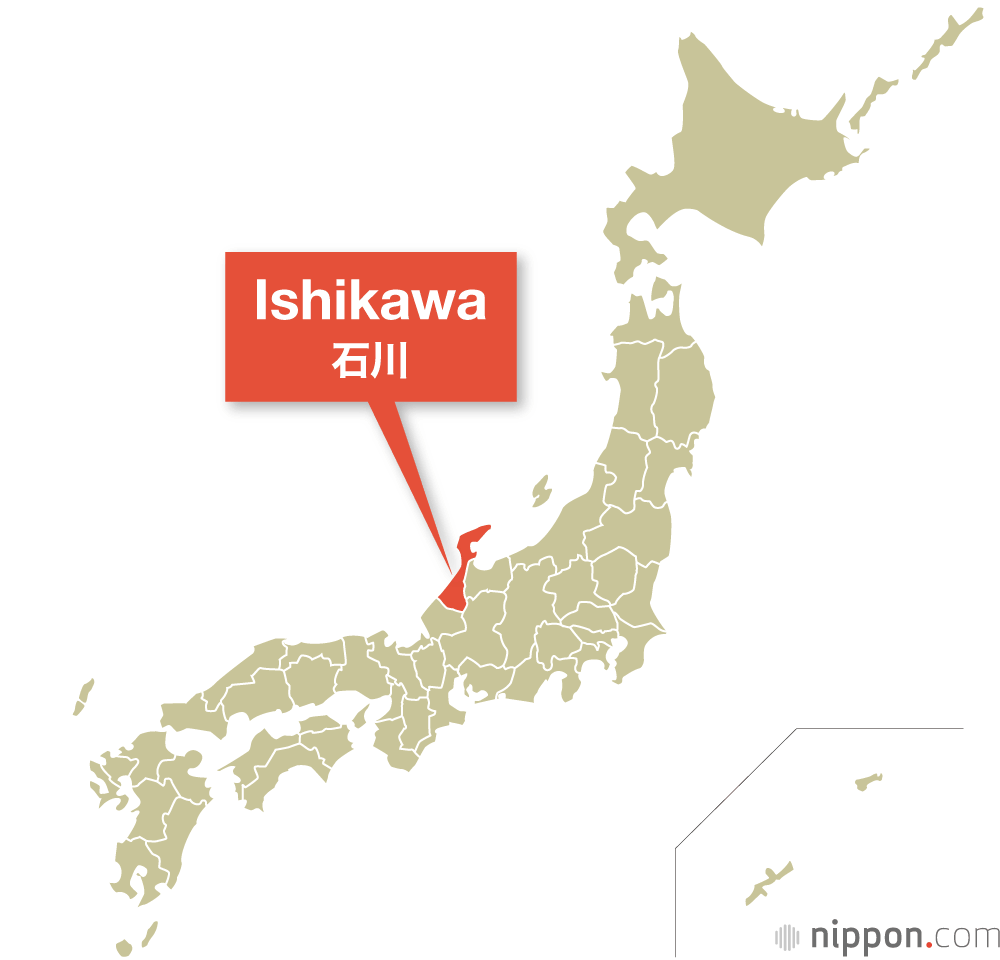
Ishikawa Prefecture Banzai Japan Idol Group   Visit there Website Ishikawa Prefecture capital Kanazawa’s Kenrokuen is perhaps the most famous of Japan’s “three great gardens,” while the Noto Peninsula is known for its spectacular coastal scenery. Located in the Hokuriku region, Ishikawa Prefecture has a lengthy coastline with its northern half, the rugged Noto Peninsula, jutting out into the Sea of Japan. The southern half includes the major city of Kanazawa, long a historical center, which lies on a plain. To the southeast, the elevation rises toward Mount Hakusan, a dormant volcano with a peak of 2,702 meters, which is the nation’s tallest point west of the Japan Alps. Ishikawa Prefecture at a Glance Established in 1872 (formerly Kaga and Noto provinces) Capital: Kanazawa Population: 1,133,000 (as of Oct. 2020) Area: 4,186 km2 Kenrokuen in Kanazawa is perhaps the most famous of Japan’s “three great gardens,” with different flowers through the seasons; the Kotojitōrō, a distinctive two-legged stone lantern, has become a symbol of the location. Other attractions in Kanazawa include geisha and samurai districts. Noto Peninsula is a relatively remote area known for its spectacular coastal scenery of cliffs, caves, and rock formations. At Shiroyone Senmaida steep rice-field terraces overlook the sea. The company Komatsu, named after the Ishikawa city of the same name where it was founded, is one of the world’s leading manufacturers of construction and mining equipment. The machinery industry remains important in the prefecture, alongside textile production. In traditional crafts, Kanazawa is known for its kinpaku sheets of hammered gold leaf, and the lacquerware of Wajima. The Ishikawa official mascot Hyakuman-san is modeled after the local Kaga hachiman-okiagari tumbler dolls. Its name refers to the hyakuman or 1 million koku (a unit equivalent to around 180 liters of rice) produced by the former Kaga domain, which was the largest during the Edo period Famous Figures D. T. Suzuki (1870–1966): Philosopher who helped popularize Zen Buddhism around the world. Nagai Gō (1945–): Manga artist known for works including Devilman, Cutie Honey, and Mazinger Z. Matsui Hideki (1974–): Baseball star nicknamed “Godzilla,” who hit more than 500 home runs during his career in Japan and the United States. Paul (Poison Fish) Manjyu Woodmanwww.banzaijapan.xyz
Read More 🡥
Fukui Prefecture

The Prefectures of Japan Fukui Prefecture

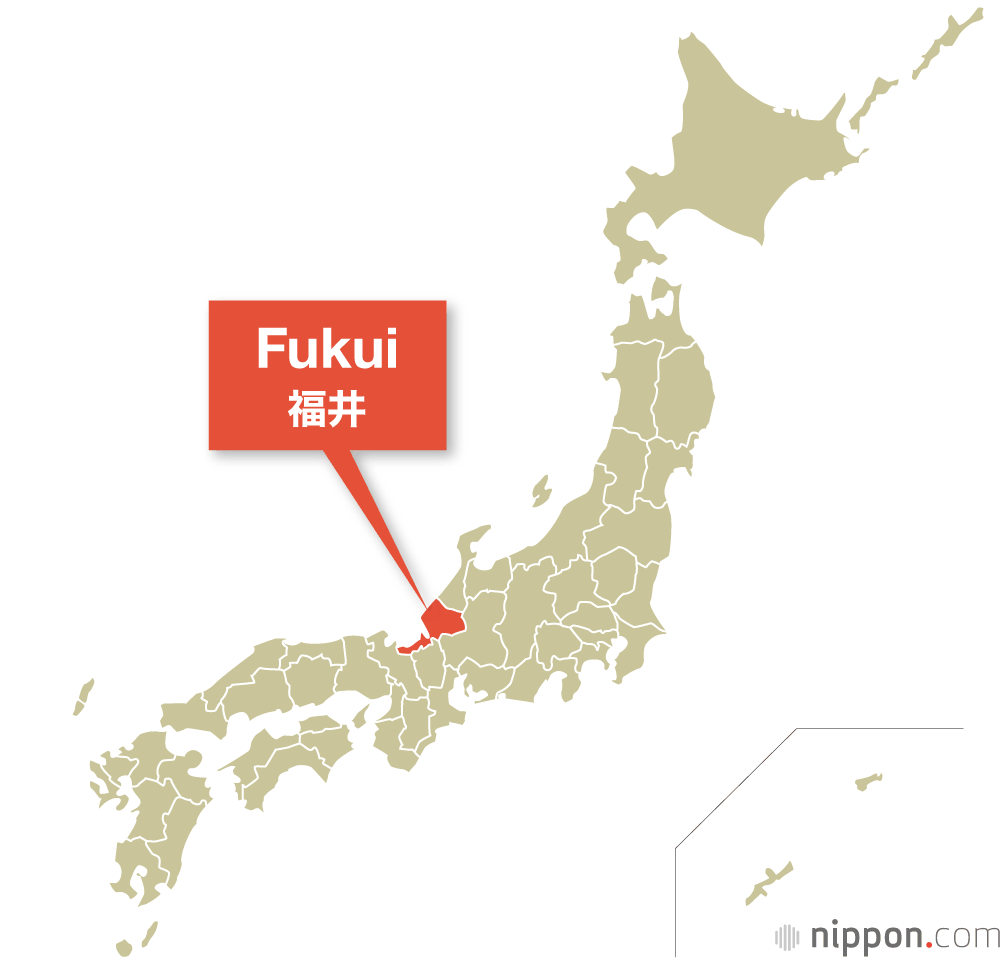
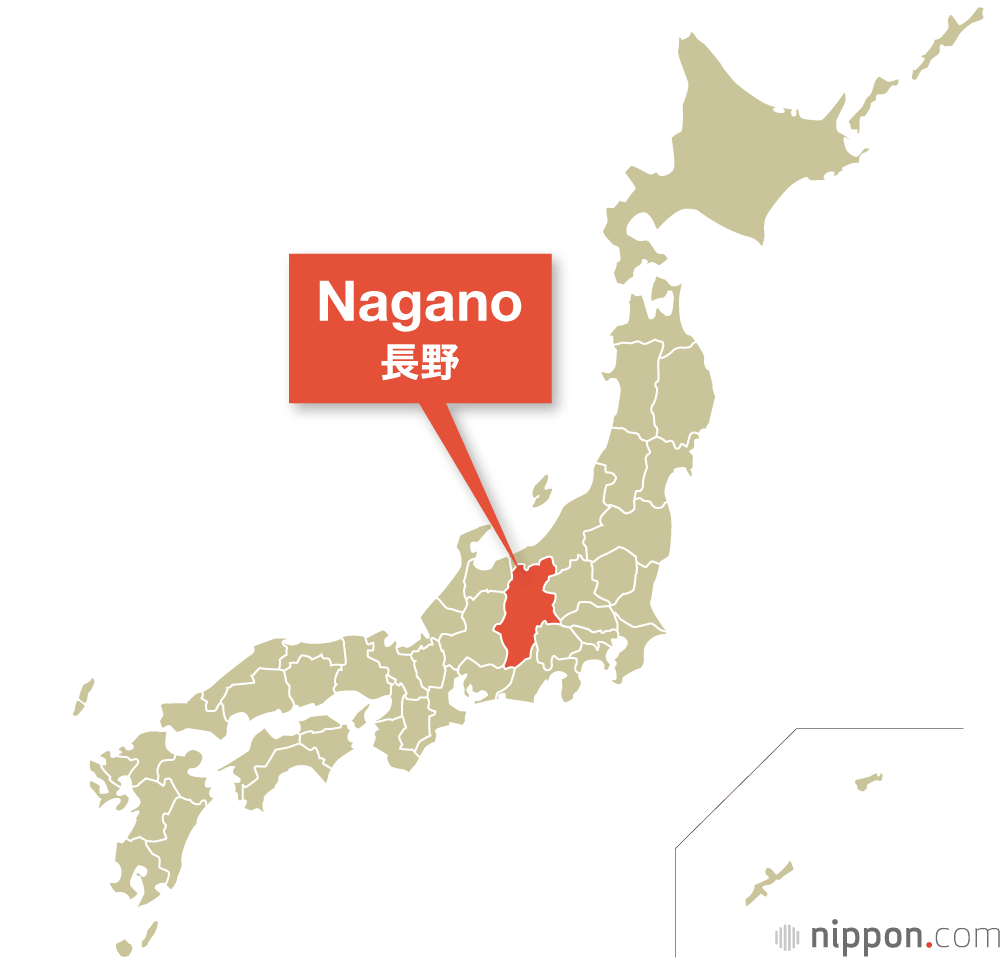
Fukui Prefecture Banzai Japan Idol Group Visit there Website Fukui Prefecture is associated with dinosaurs and Zen, thanks to numerous fossil discoveries and a major temple founded by the Buddhist priest Dōgen. Fukui Prefecture lies to the west edge of the Hokuriku region of central Honshū, along the Sea of Japan coast. Most of the population is in the larger northeastern section of the prefecture, while a thin strip of land extends to the southwest. The city of Katsuyama has the largest dinosaur fossil site in Japan, which has also provided the largest number of specimens in the country. Fukui Prefecture at a Glance Established in 1881 (formerly Echizen and Wakasa provinces) Capital: Fukui Population: 767,000 (as of Oct. 2020) Area: 4,191 km2 Eiheiji, a temple founded by the Buddhist priest Dōgen in the thirteenth century, has become a major center for Zen. As well as appreciating the grounds of the complex, visitors can practice zazen meditation and experience the ascetic life of the temple by staying overnight. The prefecture’s association with dinosaur fossils encouraged the construction of the Fukui Dinosaur Museum. It is Japan’s largest such museum, with many skeletons on display, including some that were discovered locally. Fukui Prefecture has a relatively large number of nuclear power plants, particularly along the Wakasa Bay coast, which make a significant contribution to Japan’s electricity supply. Its major industries include synthetic fabrics and other textiles, while the small city of Sabae produces all but a small fraction of Japan’s eyeglass frames. Fukui’s official mascots, Dino-Happiness are a group of characters based on the prefecture’s dinosaur connections. Famous Figures Okada Keisuke (1868–1952): Prime minister of Japan who escaped assassination during the February 26 Incident coup attempt in 1936. Later played a key role in bringing down the Tōjō Hideki cabinet in 1944. Shirakawa Shizuka (1910–2006): Leading scholar of kanji and compiler of dictionaries. Iwasaki Chihiro (1918–74): Artist and illustrator of children’s books. Illustrated Kuroyanagi Tetsuko’s Madogiwa no Totto-chan (trans. by Dorothy Britton as Totto-chan: The Little Girl at the Window). https://youtu.be/nDr7yTaU5MY?si=rGURSShd8wbwdn03 Paul (Poison Fish) Manjyu Woodmanwww.banzaijapan.xyz
Read More 🡥
Yamanashi Prefecture

The Prefectures of Japan Yamanashi Prefecture

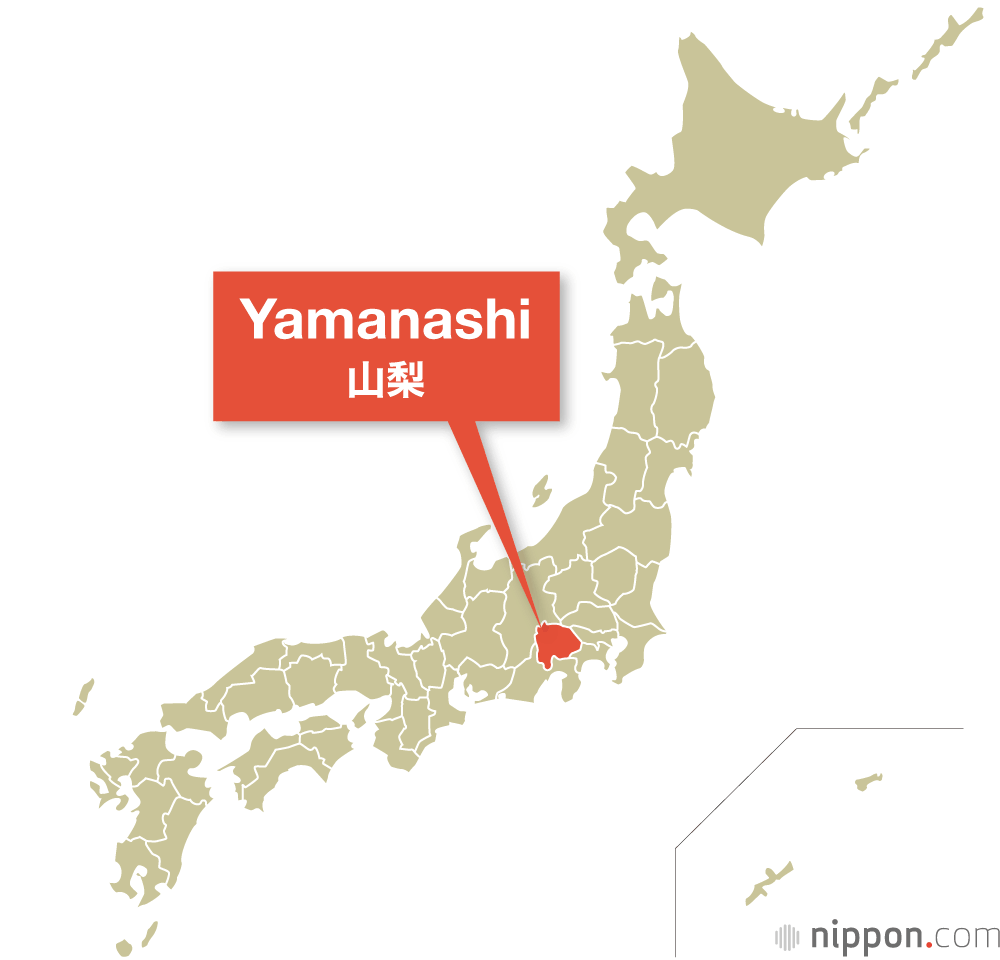
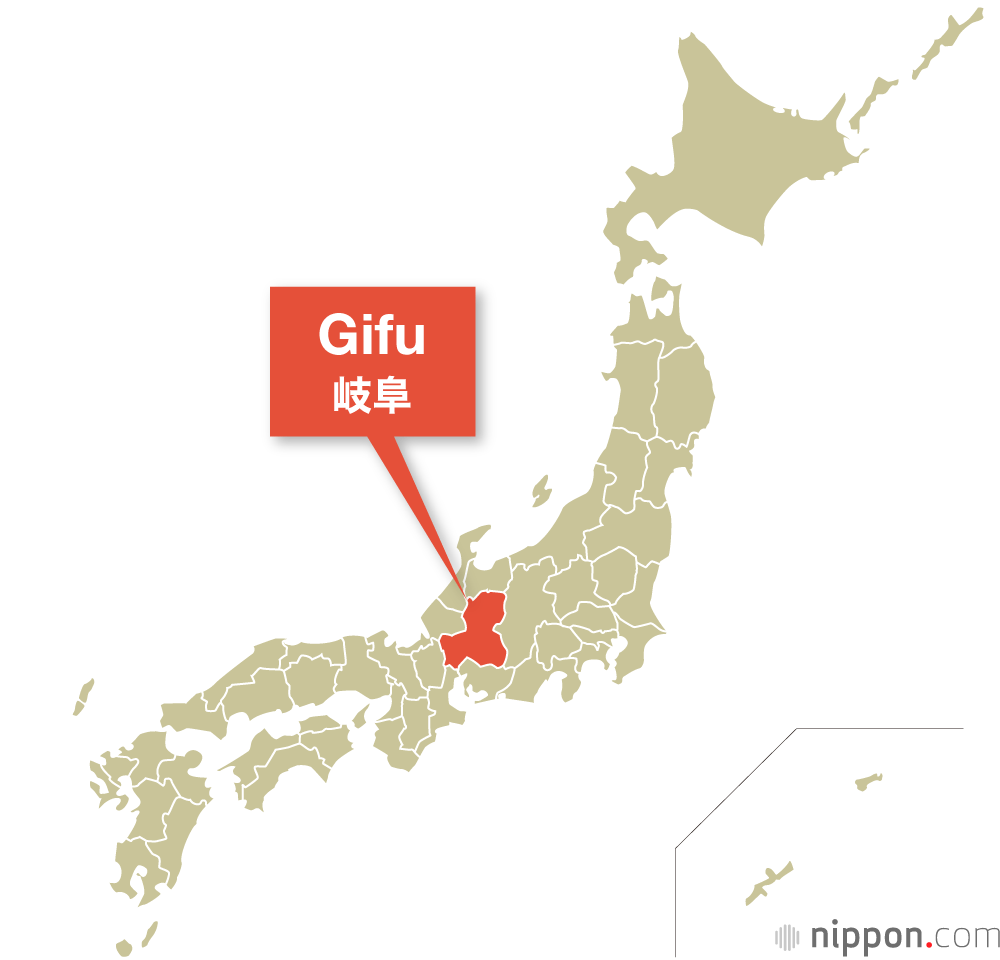
Yamanashi Prefecture Banzai Japan Idol Group Visit there Website Yamanashi Prefecture, just west of Tokyo, is known as home to some of Japan’s highest mountains, including Mount Fuji, and as Japan’s wine- and fruit-producing heartland. Landlocked Yamanashi Prefecture in the Chūbu region consists of the Kōfu Basin in its center, surrounded by mountainous areas. Mount Fuji, at 3,776 meters Japan’s tallest peak, straddles southern Yamanashi and northern Shizuoka Prefecture, and the second-tallest mountain, the 3,193-meter Kitadake, stands in the Southern Alps on Yamanashi’s western side. The prefecture’s geography means that there is relatively less precipitation and fine weather is more frequent compared with the rest of the country. Yamanashi Prefecture at a Glance Established in 1871 (formerly Kai province) Capital: Kōfu Population: 810,000 (as of Oct. 2020) Area: 4,465 km2 The Yoshida trail in Yamanashi Prefecture is the most popular of the Mount Fuji climbing trails. The prefecture also has many good places to view the peak or take a picture, such as around the Fuji Five Lakes, of which Lake Kawaguchi is easiest to access. Nearby is the Chūreitō pagoda, which has become a favorite location for Fuji snaps among international tourists. Itchiku Kubota Art Museum displays kimono artworks, while the amusement park Fuji-Q Highland offers roller coaster thrills. Yamanashi Prefecture produces many varieties of fruit and leads Japan for growing of grapes, peaches, and sumomo plums. Its rich grape harvest has led to the establishment of many wineries, and the prefecture is also Japan’s top wine producer. Abundant rock crystals in the prefecture’s mountains have facilitated a thriving jewelry industry, while its clear waters make it the country’s number-one supplier of mineral water. Takeda Hishimaru, the dog character for Yamanashi Prefecture, is inspired by Takeda Shingen, the sixteenth-century leader of the area’s former Kai province, and is a Kai-ken breed. Its helmet displays the Takeda hishi or “diamond” family crest, and it carries a gunbai war fan with the famous phrase associated with Shingen, fūrin kazan (swift as the wind, still as the forest, devastating as fire, and steadfast as the mountain). It also has Mount Fuji on its apron. Famous Figures Takeda Shingen (1521–73): Powerful warlord who won a crushing victory over Tokugawa Ieyasu, but died of disease shortly afterward. Muraoka Hanako (1893–1968): Writer and translator of children’s literature from English to Japanese, including L. M. Montgomery’s Anne of Green Gables. Nakata Hidetoshi (1977–): A key member of Japan’s soccer team, representing the country at three World Cups and playing for several seasons in Italy’s Serie A. https://youtu.be/xYMouxmOVc4?si=f_OAglHZbhZG8OJw Paul (Poison Fish) Manjyu Woodmanwww.banzaijapan.xyz
Read More 🡥
Shizuoka Prefecture

The Prefectures of Japan Shizuoka Prefecture

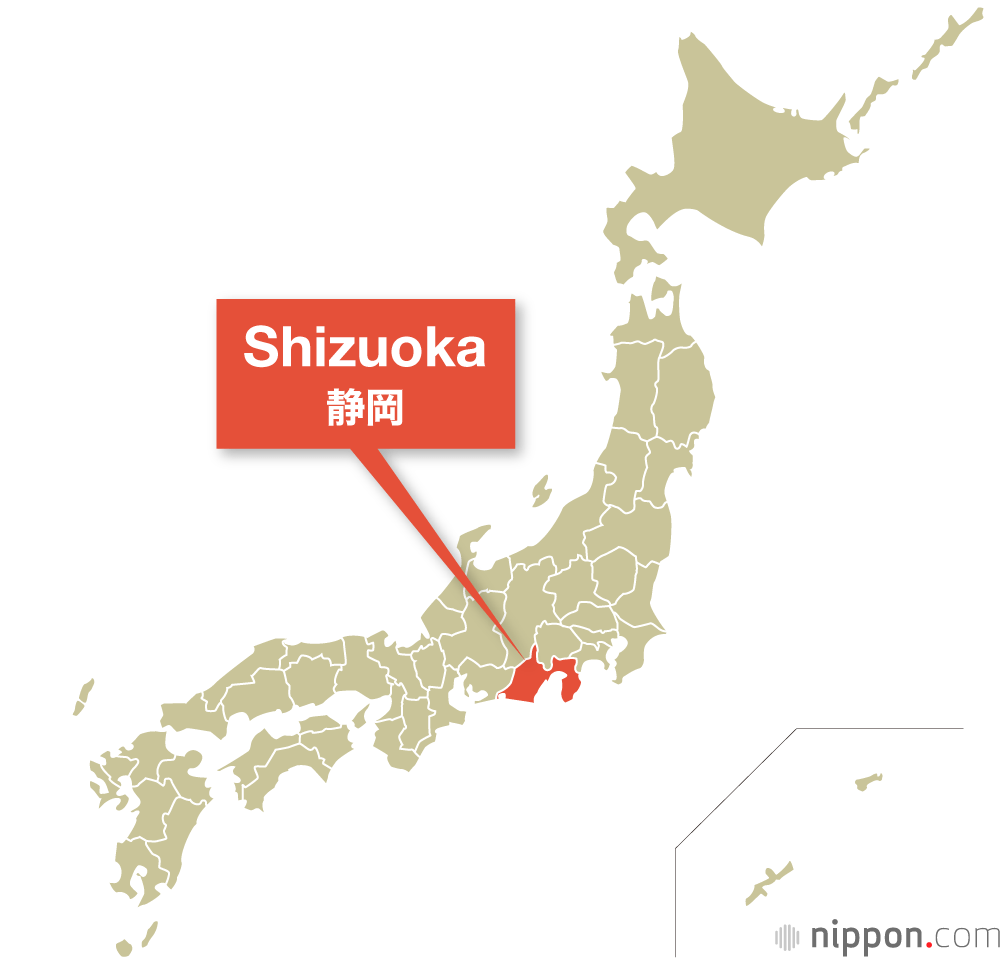
Shizuoka Prefecture Banzai Japan Idol Group Visit there Website Shizuoka Prefecture, on the Pacific coast in central Honshū, is home to some of Japan’s best-known scenery, with beautiful seas and the peak of Mount Fuji on offer. Shizuoka Prefecture is located on the Pacific coast in the Tōkai Region of central Honshū. Predominantly mountainous, the eastern part of the prefecture is dominated by Mount Fuji and the Izu Peninsula, which forms the easterly border of Suruga Bay, and the western half is marked by deep gorges, sandy beaches, and Lake Hamana. Shizuoka Prefecture at a Glance Established in 1876 (formerly Izu, Suruga, and Tōtōmi provinces) Capital: Shizuoka Population: 3,633,000 (as of Oct. 2020) Area: 7,777 km2 Easily reached from the Tokyo metropolitan area, Shizuoka is a popular tourist destination. The rugged Izu Peninsula offers abundant nature, picturesque ocean views, and several famous hot spring resorts, notably Atami, Itō, and Shuzenji. Mount Fuji is a major draw for people from around the world, and the surrounding area offers nature and historical sites, including the Fujinomiya Sengen Shrine, the traditional starting point for ascending the hallowed peak. The Ōigawa Railway has a small fleet of antique steam locomotives that take passengers through a steep valley bordered by tea plantations, and beaches in the southwest offer sand dunes and swells that attract surfers. Shizuoka is a leading producer of green tea, mikan mandarin oranges, and wasabi. It is also noted for eel, cultivated in Lake Hamana and elsewhere, and its forestry products. Metal, machinery, and chemicals, as well as foodstuffs, nutritional supplements, and medical equipment are important manufacturing sectors, as are musical instruments, centering on Hamamatsu. Shizuoka’s official mascot Fujippi is based on the prefecture’s famed mountain and blue seas. Famous Figures Shimizu no Jirochō (1820–93): Entrepreneur, gangster, and folk figure who wielded influence with members of the Meiji government. Toyoda Sakichi (1867–1930): Founder of Toyota Industries and other firms that now make up the Toyota Group. Inoue Yasushi (1907–91): Author known for historical fiction. Born in Hokkaidō, he spent his formative years in Shizuoka. Notable works include Ryōjū (trans. The Hunting Gun) and Tōgyū (trans. Bullfight). https://www.youtube.com/watch?v=mgl0lPR-it4 Paul (Poison Fish) Manjyu Woodmanwww.banzaijapan.xyz
Read More 🡥
Aichi Prefecture

The Prefectures of Japan Aichi Prefecture

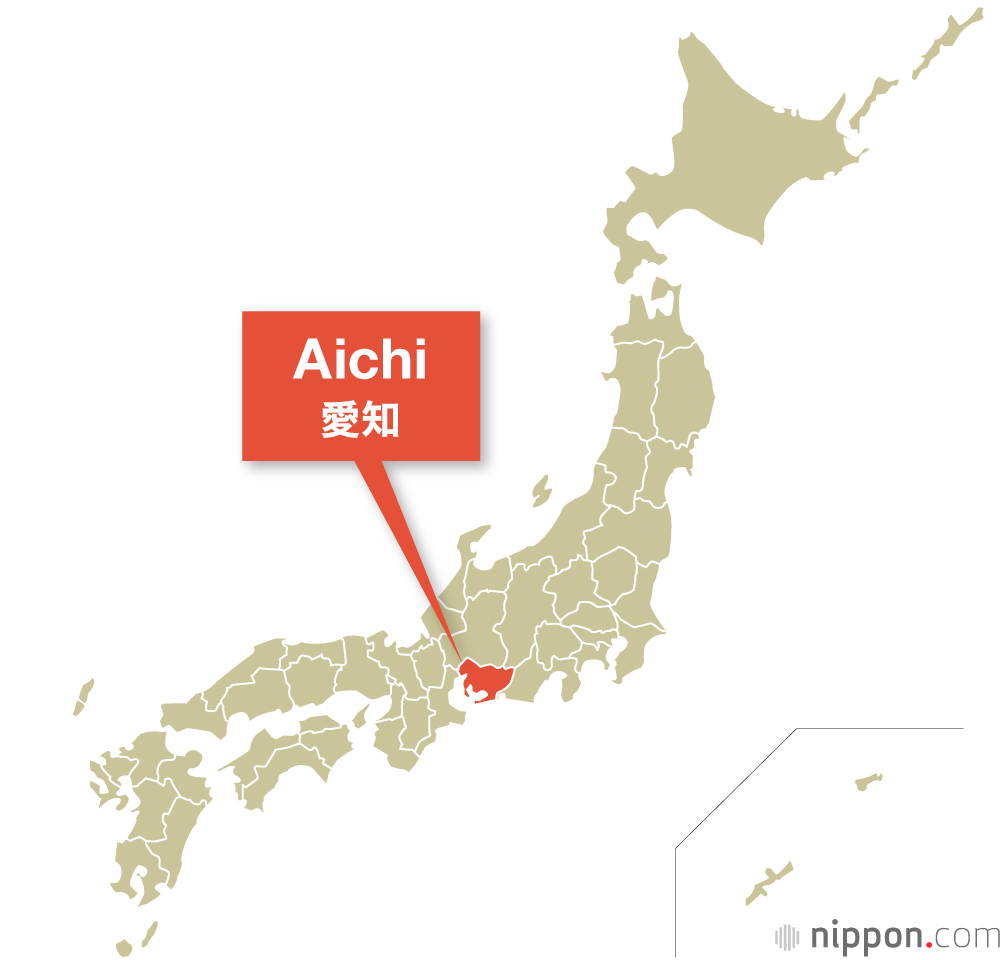
Aichi Prefecture Banzai Japan Idol Group Visit there Website Aichi Prefecture, roughly in the center of Japan, is rich in history and a powerful modern industrial center, home to Toyota and many associated companies. Aichi Prefecture is situated along the Pacific Coast in the Tōkai Region, approximately in the middle of Japan. Much of the prefecture is taken up by the sprawling Nōbi Plain, the second largest in Japan, which is formed by the Kiso, Ibi, and Nagara Rivers and includes the capital of Nagoya. The Owari Hills extend to the east, and Aichi’s indented coastline follows the Chita Peninsula along Ise Bay in the west to Atsumi Peninsula in the east, with the two headlands forming Mikawa Bay. Aichi Prefecture at a Glance Established in 1872 (formerly Mikawa and Owari provinces) Capital: Nagoya Population: 7,542,000 (as of Oct. 2020) Area: 5,173 km2 Aichi is home to a number of important historic sites, including national treasure Inuyama Castle, one of Japan’s oldest wooden keeps. Near Inuyama is Meiji Mura, an outdoor architecture museum featuring buildings of Japanese and Western design, notably the entryway of the Imperial Hotel designed by Frank Lloyd Wright and the former residence of novelists Mori Ōgai and Natsume Sōseki, among other notable buildings. Nagoya has its own reconstructed castle, several famous art and history museums, and is the location of the important Atsuta Shrine, said to store the sacred sword Kusanagi, one of the three Imperial Regalia. Theme parks Legoland Japan, also in Nagoya, and Ghibli Park in Nagakute attract visitors from Japan and abroad. The auto industry focusing on Toyota Motor Corp., which has its headquarters and several production facilities in the prefecture, is a major contributor to Aichi’s economy. Nagoya and surrounding municipalities make up the Chūkyō Industrial Zone, one of Japan’s three major industrial regions, with manufacturers in fields like transportation equipment, electronics, and steel along with cutting-edge sectors such as aerospace and robotics having bases there. The prefecture is a major grower of staple vegetables like cabbage, tomatoes, and broccoli as well as flowers, in particular chrysanthemums and roses. Aichi’s mascot, Aichīta, first appeared to promote two events hosted concurrently in the prefecture in 2014: the Abilympics, a vocational skills competition for persons with disabilities, and the National Skills Competition. Famous Figures Oda Nobunaga (1534–82), Toyotomi Hideyoshi (1537–98), and Tokugawa Ieyasu (1543–1616): The three warlords who unified Japan during the late sixteenth and early seventeenth centuries. Toyoda Kiichirō (1894–1952): Founder of automaker Toyota Motor. https://www.youtube.com/watch?v=WMPwTa2bCTw Paul (Poison Fish) Manjyu Woodmanwww.banzaijapan.xyz
Read More 🡥
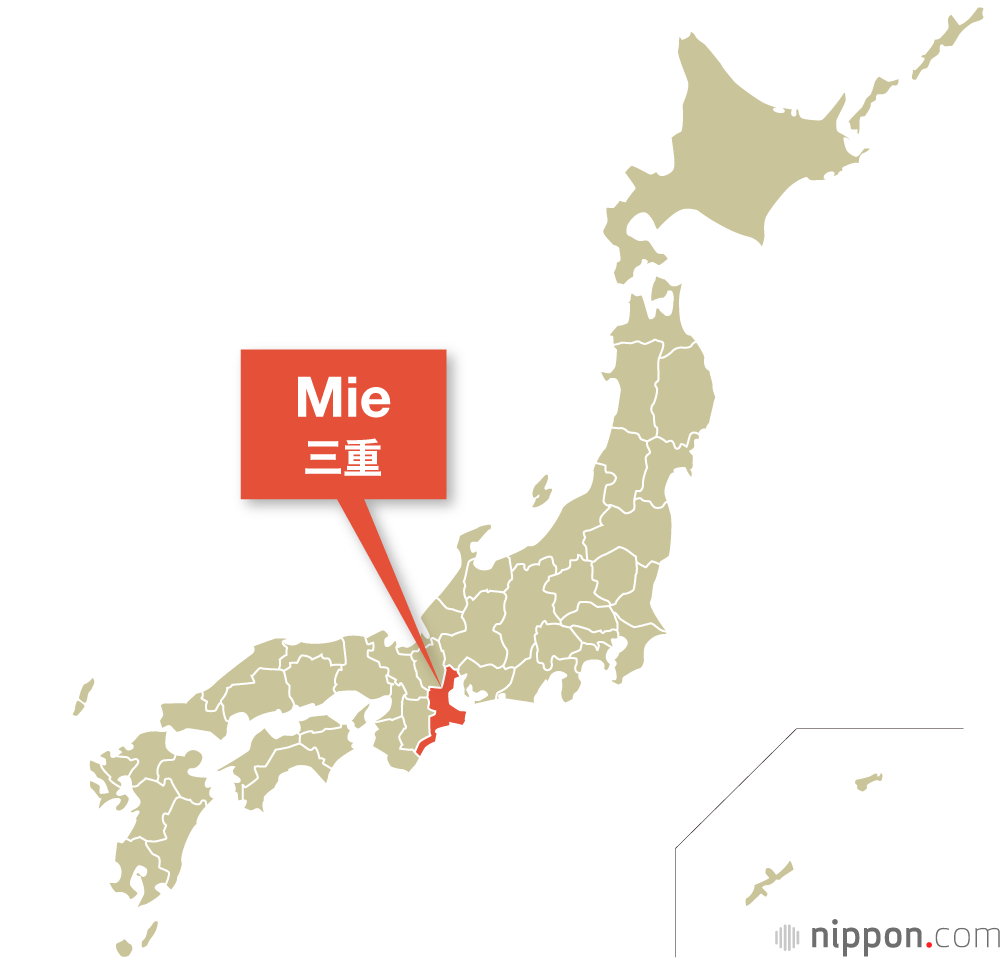
Mie Prefecture

The Prefectures of Japan Mie Prefecture

Mie Prefecture Banzai Japan Idol Group Visit there Website Ise Shrine in Mie Prefecture is Japan’s most important center for Shintō, and the prefecture is also known for its ninja and its pearl divers. Mie Prefecture in Tōkai is on the eastern side of the Kii Peninsula on Japan’s Pacific Ocean coast. Several of its cities, including the prefectural capital of Tsu, are located on the Ise Plain in the north of the prefecture. Mount Ōdaigahara in the southwest is known as one of the rainiest places in Japan. Mie Prefecture at a Glance Established in 1876 (formerly Ise Shima, Kii, and Iga provinces) Capital: Tsu Population: 1,770,000 (as of Oct. 2020) Area: 5,774 km2 Ise Shrine, including its main Inner and Outer Shrines, is the most important center for Shintō in Japan. The two main shrines are rebuilt entirely every 20 years, with the most recent reconstruction taking place in 2013. Pilgrims have journeyed to the area for centuries. Iga is famous for its longstanding association with ninja, and visitors to the city can enjoy the Ninja Museum of Igaryū, introducing some of the stealthy spies’ tricks and traps. Mie Prefecture has a robust manufacturing industry, specializing in items such as LCD panels and vending machines. It is known for its cultured pearl industry, initially developed by local businessman Mikimoto Kōkichi (1858–1954). In another marine connection, the prefecture’s traditional female ama freedivers plunge underwater in search of shellfish and other seafood. Famous Figures Matsuo Bashō (1644–94): Poet and travel writer, who was instrumental in the development of the haiku. Edogawa Ranpo (1894–1965): Writer of mystery fiction, known for his uncanny and grotesque themes. Yoshida Saori (1982–): Freestyle wrestler who won gold medals at three successive Olympics, and was the flagbearer for Japan in 2012. Paul (Poison Fish) Manjyu Woodmanwww.banzaijapan.xyz
Read More 🡥
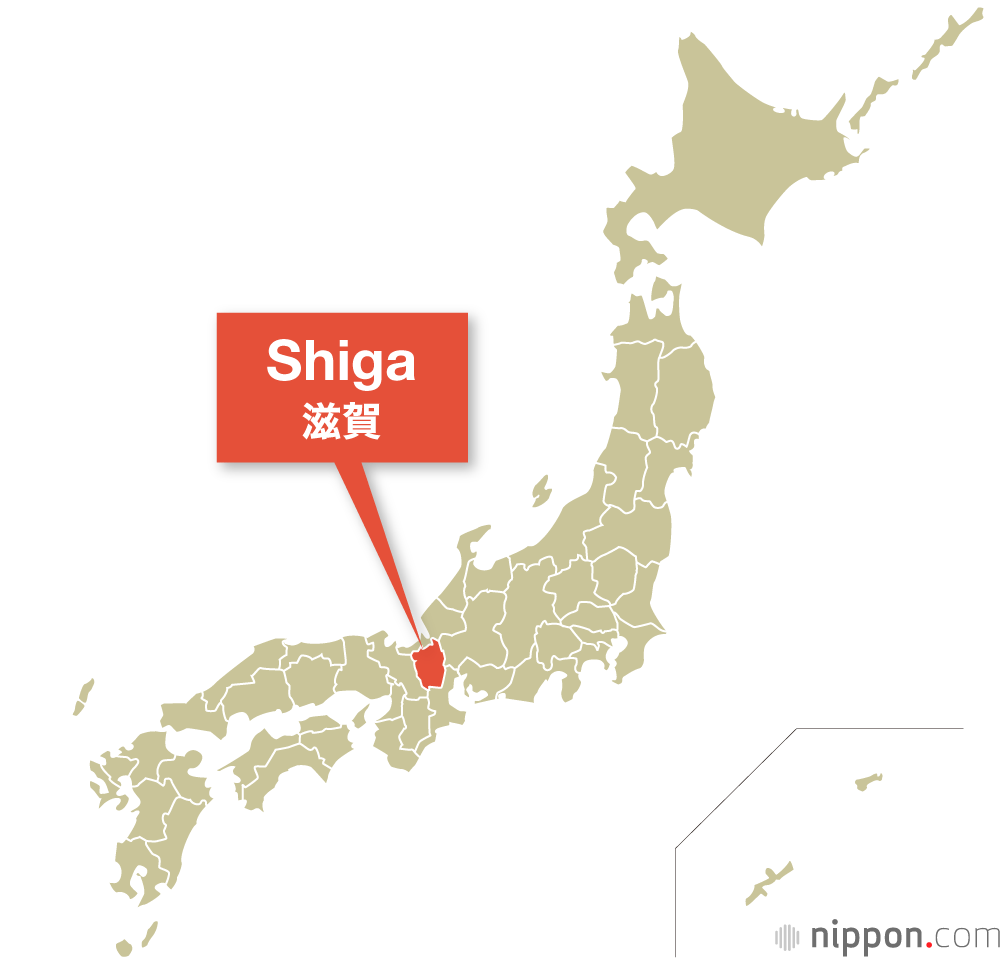
Shiga Prefecture

The Prefectures of Japan Shiga Prefecture

Shiga Prefecture Banzai Japan Idol Group Visit there Website Shiga Prefecture is centered on Lake Biwa, which is Japan’s largest body of fresh water. Funazushi, an early, fermented form of sushi, is made with carp from the lake. Although it is one of a relatively small number of prefectures without a coastline, Shiga Prefecture in Kansai includes Lake Biwa, which is Japan’s largest body of fresh water. The lake lies entirely within Shiga’s borders and accounts for one sixth of its total area. The prefecture is located on a central plain surrounded by mountains. Shiga Prefecture at a Glance Established in 1872 (formerly Ōmi province) Capital: Ōtsu Population: 1,414,000 (as of Oct. 2020) Area: 4,017 km2 Hikone Castle in Shiga Prefecture, one of Japan’s best-preserved castles, was originally built in the early seventeenth century. The hilltop fortress looks out over Lake Biwa, and is a popular spot during cherry blossom season. The small city of Ōmihachiman has a rich history as a hub for transportation, and its picturesque canal area attracts tourists today. Western Shiga, on the border with Kyoto Prefecture, is home to the temple Enryakuji on the mountain Hieizan, the head temple for the Tendai sect of Japanese Buddhism. Secondary industries are an important part of Shiga Prefecture’s overall production, and it specializes in products including hairdressing appliances and scales. Funazushi, an early, fermented form of sushi, is made with funa carp from Lake Biwa, while the local Ōmi beef is a respected wagyū brand. Caffy, the mascot for Shiga Prefecture, is based on the catfish to be found in Lake Biwa. Famous Figures Uno Sōsuke (1922–98): Liberal Democratic Party politician who was one of Japan’s shortest-serving prime ministers, resigning after 68 days in office in June–August 1989. Kiryū Yoshihide (1995–): Athlete who was the first Japanese sprinter to run 100 meters in under 10 seconds. https://www.youtube.com/watch?v=LxR9-DE_Q4U Paul (Poison Fish) Manjyu Woodmanwww.banzaijapan.xyz
Read More 🡥
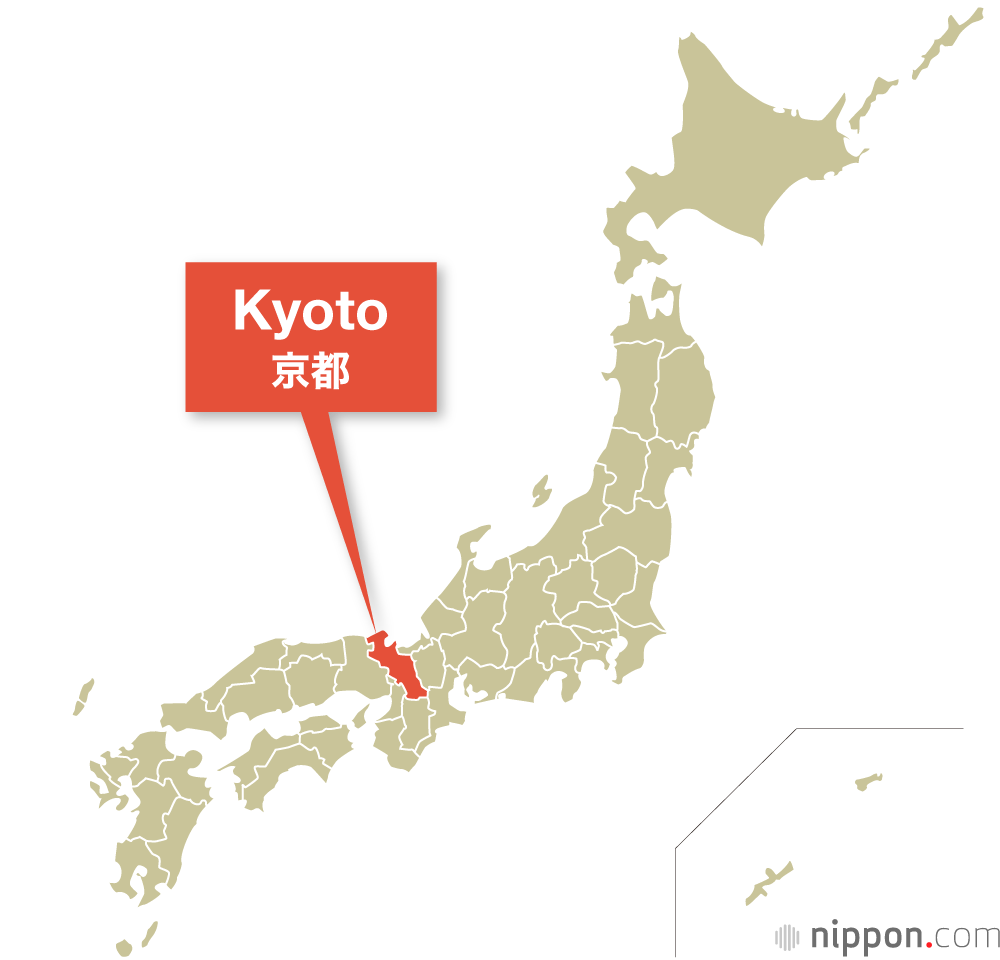
Kyoto Prefecture

The Prefectures of Japan Kyoto Prefecture

Kyoto Prefecture Banzai Japan Idol Group Visit there Website Kyoto Prefecture is Japan’s cultural center, including the former capital of Kyoto with its plethora of temples and shrines and its large population of practitioners of traditional crafts. As the location for the city of Kyoto, which was the imperial capital of Japan for a millennium, Kyoto Prefecture is steeped in history. It is one of just two urban prefectures (fu), based around the country’s important cities. The city of Kyoto lies in the southern part of the prefecture, and forms part of the heavily urbanized Kansai region center, together with Osaka and Kobe. The prefecture is divided roughly into two parts by the Tanba Mountains, with the north stretching toward the Sea of Japan coast. Kyoto Prefecture at a Glance Established in 1871 (formerly Yamashiro, Tanba, and Tango provinces) Capital: Kyoto Population: 2,578,000 (as of Oct. 2020) Area: 4,612 km2 The city of Kyoto is known for its many temples and shrines, several of which are included in the UNESCO World Heritage site, the Historic Monuments of Ancient Kyoto. Among the most famous, Kiyomizudera dates back for over a millennium and offers a panoramic view of the city from its wooden stage. The Zen temple of Kinkakuji awes visitors with its golden pavilion, and was the model for Ginkakuji, which became associated with the flourishing of Higashiyama culture in the fifteenth century. To the south, Fushimi Inari Shrine is popular for its tunnels of vermilion torii. Floats make a stately progress through the city in the centerpiece of the Gion Festival in July, which is one of Japan’s most famous local observances. In the south of the prefecture, the city of Uji has a notable temple in Byōdōin. Originally the residence of the powerful leader Fujiwara no Michinaga, it later became a temple, and its fame is such that it appears on the ¥10 coin. In the north of the prefecture, Amanohashidate, a narrow sandbar covered in pines, is considered to be one of Japan’s traditional Three Scenic Views. Kyoto has sophisticated versions of many traditional Japanese crafts. Techniques associated with production of kimonos are particularly highly regarded, such as nishijin-ori silk weaving and kyō yūzen dyeing. The city is also known for ceramics, dolls, lacquer ware, and fans. At the same time the prefecture is a center for high-tech industry, and the home of companies like Nintendo and Kyocera. The city of Uji is renowned for its matcha green tea. Mayumaro is the mascot for Kyoto Prefecture, taking its name and appearance from a silkworm cocoon (mayu), due to the use of silk in local kimonos. Famous Figures Dōgen (1200–53): Founder of the Sōtō school of Zen Buddhism. Itami Jūzō (1933–97): Director, known for works including Tanpopo. Wada Emi (1937–2021): Costume designer who won an Academy Award for her work on the Kurosawa Akira film Ran. https://www.youtube.com/watch?v=nGJMwixogyk Paul (Poison Fish) Manjyu Woodmanwww.banzaijapan.xyz
Read More 🡥
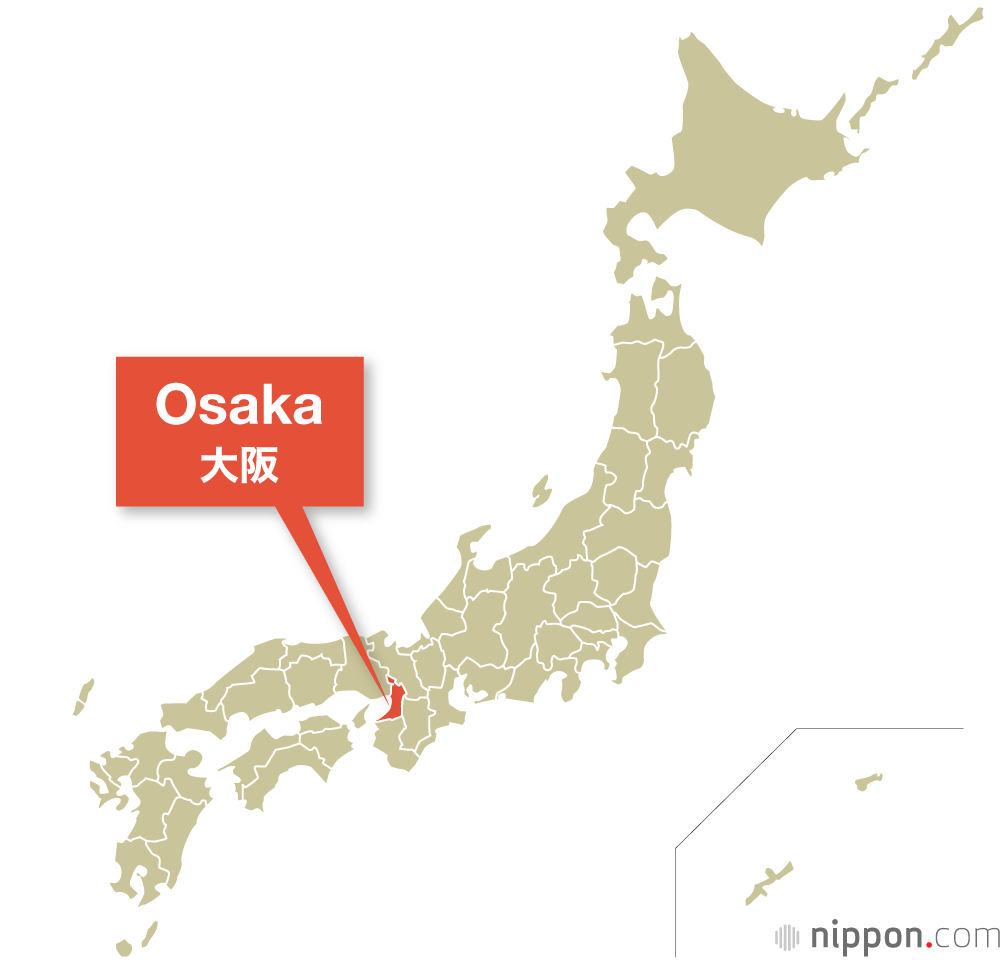
Osaka Prefecture

The Prefectures of Japan Osaka Prefecture

Osaka Prefecture Banzai Japan Idol Group Visit there Website Osaka Prefecture, at the center of Japan’s number-two urban conglomeration, is famous for its lively main city, popular castle, and manzai comedy double acts. As the heavily urbanized heart of the Kansai region, Osaka Prefecture is a commercial and cultural center in the west of Japan. It is one of only two urban prefectures (fu); a referendum to reorganize it into a metropolis (to) like Tokyo was narrowly rejected in 2020. Most of the population lives on Osaka Plain. Kansai International Airport is located on reclaimed land in Osaka Bay, in the west of the prefecture. Osaka Prefecture at a Glance Established in 1871 (formerly Settsu, Kawachi, and Izumi provinces) Capital: Osaka Population: 8,838,000 (as of Oct. 2020) Area: 1,905 km2 Historically, the city of Osaka was Japan’s economic powerhouse. As the base for Toyotomi Hideyoshi, who succeeded in unifying Japan in the sixteenth century, it was also a political center for some years. The reconstructed Osaka Castle, originally built by Hideyoshi, attracts millions of visitors each year. The Minami district, especially its lively Dōtonbori street with its giant billboards and copious entertainment and shopping options, has come to symbolize the city today. Among Osaka’s popular food options are takoyaki (octopus pieces fried in batter) and okonomiyaki (a pancake-like dish that may be filled with meat or seafood and vegetables). In the Osaka Bay area of the city are leisure destinations like Universal Studios Japan and Osaka Aquarium. Nearby Sakai is home to the prefecture’s first UNESCO World Heritage site, the Mozu-Furuichi Kofun Group of great tombs, including what is thought to be the burial mound of Emperor Nintoku, traditionally held to have reigned during the fourth century. Major electronics companies like Sharp and Panasonic have their head offices in Osaka Prefecture, but the area is also known for its many small and medium-sized enterprises manufacturing machinery parts and other products. Culturally, Osaka is associated with the bunraku puppet theater tradition that flourished in the city during the Edo period (1603–1868), as well as the quick quips of manzai comedy double acts. The Osaka Prefecture mascot Mozuyan is based on the mozu, or bull-headed shrike, which is the prefecture’s official bird. The suffix yan is an Osaka variation on the standard Japanese janai, usually used to invite agreement. Famous Figures Kawabata Yasunari (1899–1972): Author of Yukiguni (trans. by Edward Seidensticker as Snow Country), and Japan’s first winner of the Nobel Prize in Literature. Tezuka Osamu (1928–89): Manga artist and animator who created Astro Boy and many other famous characters. Ōsaka Naomi (1997–): Tennis player, and the first Japanese player to win a Grand Slam singles title. https://www.youtube.com/watch?v=XHOmBV4js_E Paul (Poison Fish) Manjyu Woodmanwww.banzaijapan.xyz
Read More 🡥
Nara Prefecture

The Prefectures of Japan Nara Prefecture

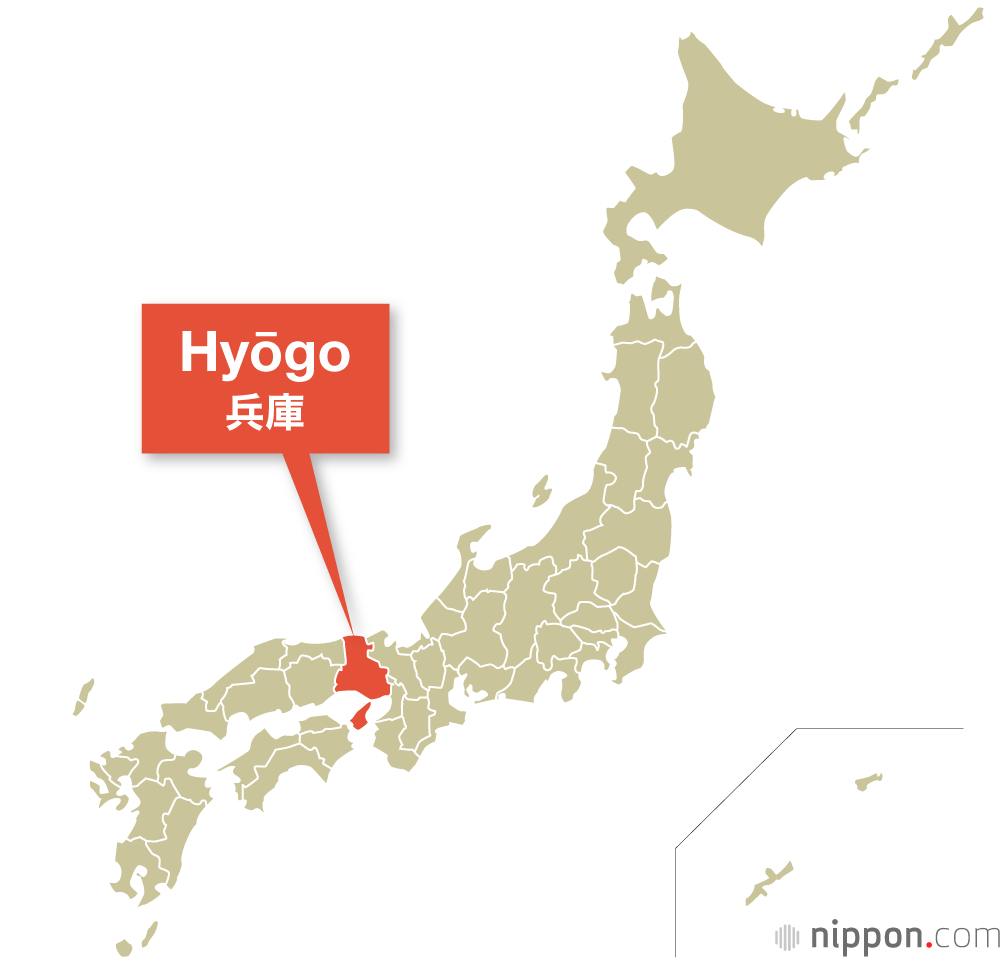
Nara Prefecture Banzai Japan Idol Group Visit there Website The city of Nara in Nara Prefecture was the nation’s capital in the eighth century, and is known for Buddhist sites including the temple of Tōdaiji, famous for its bronze Daibutsu, or Great Buddha, as well as its wandering wild deer. Nara Prefecture in the Kansai region is landlocked and largely mountainous, apart from the Nara Basin in the north. Most people live in this flat northern area, which includes the prefectural capital of Nara and is humid in summer and extremely cold in winter. The Kii Mountains occupy the southern half of the prefecture, including Mount Hakkyō, which is the tallest peak in the Kansai region at 1,914 meters. Nara Prefecture at a Glance Established in 1887 (formerly Yamato province) Capital: Nara Population: 1,324,000 (as of Oct. 2020) Area: 3,691 km2 The city of Nara was the capital of Japan during most of the Nara period (710–94), when the country was greatly influenced by culture imported from China, including Buddhism. Among the major Buddhist sites in the city, the temple of Tōdaiji is famous for its bronze Daibutsu, or Great Buddha, and Hōryūji has some of the world’s oldest surviving wooden buildings. Nara is also known for its wandering wild deer. Further south, Mount Yoshino is Japan’s most celebrated cherry blossom spot. Capitalizing on its long history, Nara Prefecture is a leader in traditional crafts, such as the production of sumi ink and tea whisks. It is Japan’s number one prefecture for the manufacture of socks and baseball gloves, as well as the breeding of goldfish. Remnants of Yoshino sugi (Japanese cedar) trees are also made into disposable chopsticks, another leading local product. One of the more famous prefectural mascots, Nara’s Sento-kun resembles the Buddha with deer antlers, combining two well-known local elements. Famous Figures Takaichi Sanae (1961–): Liberal Democratic Party politician,who has served as minister of internal affairs and communications and minister of economic security. Kawase Naomi (1969–): Director known for films including Sweet Bean and The Mourning Forest, which won the Grand Prix at the 2007 Cannes International Film Festival. Murata Ryōta (1986–): Boxer who won the middleweight gold medal at the London Summer Olympics in 2012. https://www.youtube.com/watch?v=JQEsdyXDoS4 Paul (Poison Fish) Manjyu Woodmanwww.banzaijapan.xyz
Read More 🡥
Wakayama Prefecture

The Prefectures of Japan Wakayama Prefecture

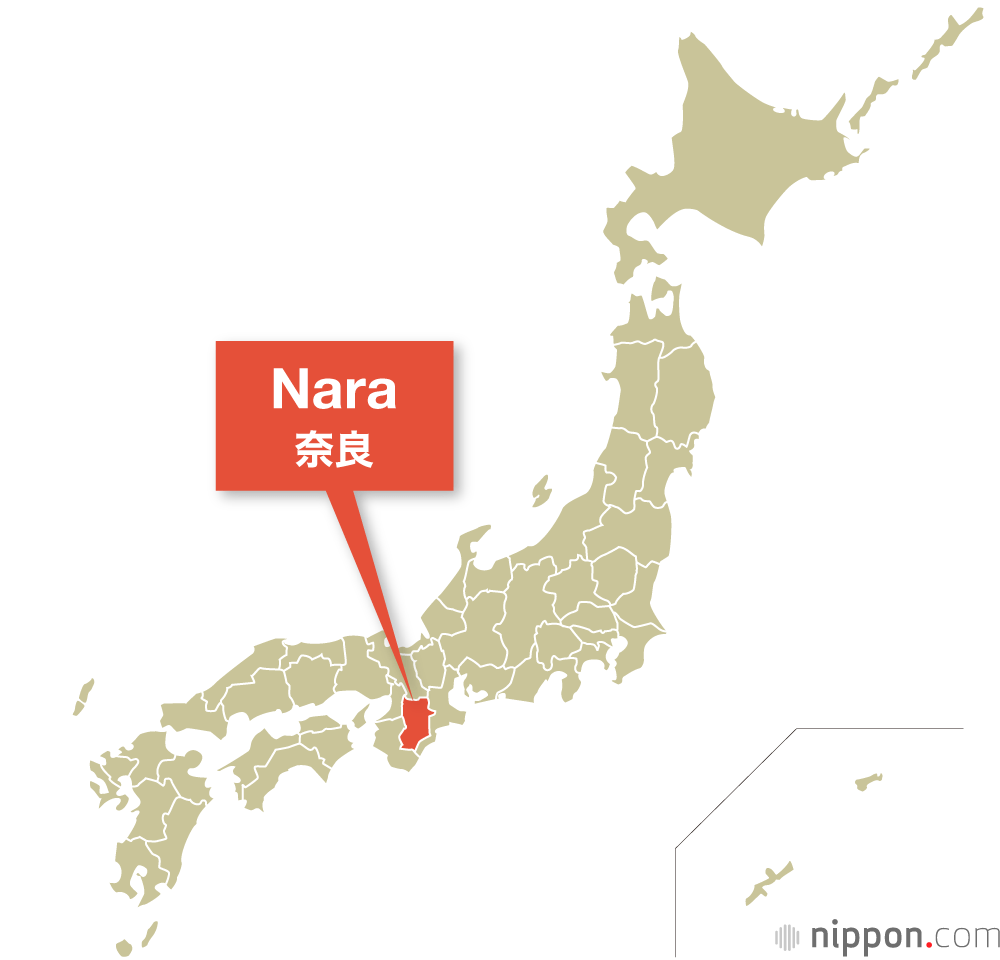
Wakayama Prefecture Banzai Japan Idol Group Visit there Website Wakayama Prefecture, on the Pacific coast south of Japan’s ancient capitals of Nara and Kyoto, has attracted pilgrims for centuries. Its Mount Kōya temple complex is one of Japan’s most sacred sites. Located in the Kii Peninsula in Kansai, Wakayama Prefecture is mostly covered by mountains, apart from a small plain around the capital Wakayama. The cape Shionomisaki is the southernmost point in the island of Honshū, looking out over the Pacific Ocean. To the west is the Kii Channel, linking the Pacific to the Seto Inland Sea. At 133 meters, Nachi Waterfall is Japan’s highest waterfall with a single, uninterrupted drop. Wakayama Prefecture at a Glance Established in 1871 (formerly Kii province) Capital: Wakayama Population: 923,000 (as of Oct. 2020) Area: 4,725 km2 The area that is now Wakayama Prefecture has attracted pilgrims for centuries. Mount Kōya in the northeast is a center for Buddhism, where Kūkai, one of the early proselytizers of the religion, established the Shingon sect in the ninth century. Many temples offer overnight stays to visitors. Meanwhile, Kumano in the southeast is known for its three major Shintō shrines connected by walking trails. A major fruit producer due to its warm climate, Wakayama is Japan’s top prefecture for growing mandarins, ume apricots, and persimmons. It is also number one for hassaku citrus fruits and sanshō or Japanese pepper. The mosquito coil was invented in the small city of Arida, which remains a leading manufacturer of the product today. Wakayama’s Kii-chan character is a Kishū dog—the name of the province where the prefecture stands today was Kii or Kishū. The mascot design incorporates a “W” for Wakayama. Famous Figures Minakata Kumagusu (1867–1941): A polymath who made contributions in the fields of biology, folklore studies, and environmentalism. Matsushita Kōnosuke (1894–1989): The founder of Matsushita Electric Industrial Company, which became a household name across the world as Panasonic. Maehata Hideko (1914–95): The first Japanese woman to win an Olympic gold medal, which came in the 200-meter breaststroke at Berlin in 1936. https://www.youtube.com/watch?v=-rjtcFddLxQ Paul (Poison Fish) Manjyu Woodmanwww.banzaijapan.xyz
Read More 🡥
Tottori Prefecture

The Prefectures of Japan Tottori Prefecture

Tottori Prefecture Banzai Japan Idol Group Visit there Website Tottori Prefecture is known for its sand dunes and as the home prefecture of the celebrated manga creator Mizuki Shigeru. Japan’s least populous prefecture, Tottori is in the Chūgoku region in the west of the island of Honshū. The country’s largest sand dunes can be found along its northern coast, beside the Sea of Japan. The Chūgoku Mountains stretch from east to west along the south of the prefecture, and much of the rest of its area is at a high altitude. Tottori Prefecture at a Glance Established in 1881 (formerly Inaba and Hōki provinces) Capital: Tottori Population: 553,000 (as of Oct. 2020) Area: 3,507 km2 Located within San’in Kaigan National Park, Tottori Prefecture’s 16-kilometer-long area of sand dunes in its capital of Tottori is the area’s best-known attraction. Visitors can climb a small hill for a view of the ocean. As the hometown of manga creator Mizuki Shigeru, the city of Sakaiminato has a museum dedicated to its famous son and many bronze statues of the yōkai (supernatural creatures) that appear in his works. Tottori is known for agricultural produce like rakkyō scallions and Nijisseiki nashi pears. It also has fine seafood, with notable catches of zuwaigani crab. In local crafts, there is inshū washi, a form of traditional Japanese paper. Toripy, the character for Tottori Prefecture, is a mixture of a bird (the kanji for “bird” appears in the prefecture’s name) and a Nijisseiki nashi pear, a famous local product. Famous Figures Mizuki Shigeru (1922–2015): Manga artist, best known for Ge Ge Ge no Kitarō, and other stories featuring supernatural yōkai. Otowa Nobuko (1924–1994): Actress, who appeared in many works directed by Shindō Kaneto, including the horror films Onibaba and Kuroneko. Ishiba Shigeru (1957–): Liberal Democratic Party politician, who has served as minister of defense and LDP secretary-general. https://www.youtube.com/watch?v=vjRjUz_SvCQ Paul (Poison Fish) Manjyu Woodmanwww.banzaijapan.xyz

Read More 🡥
Shimane Prefecture

The Prefectures of Japan Shimane Prefecture

Shimane Prefecture Banzai Japan Idol Group Visit there Website Shimane Prefecture has long been associated with Japanese deities, and Izumo Taisha is one of Japan’s most sacred Shintō shrines. Located in the southwest of the island of Honshū, Shimane Prefecture is in the region of Chūgoku, with the Sea of Japan to its north. The main population centers lie on the Izumo Plain in the northeast. The prefecture includes the volcanic Oki Islands, much of which are a national park. Shimane Prefecture at a Glance Established in 1881 (formerly Iwami, Izumo, and Oki provinces) Capital: Matsue Population: 671,000 (as of Oct. 2020) Area: 6,708 km2   The Izumo region of Shimane Prefecture has long been associated with Japanese deities, and Izumo Taisha is one of Japan’s most sacred Shintō shrines. Ōkuninushi, the legendary creator of Japan, is enshrined there. The capital city Matsue is known for Matsue Castle, a national treasure with architecture dating back 400 years. In the same city, Adachi Museum of Art is renowned for its outstanding garden. The historic Iwami Ginzan silver mine is a UNESCO World Heritage site. Lake Shinji in the northeast of Shimane Prefecture is associated with shijimi clams, for which the prefecture is the nation’s top producer. It is also notable for sea fishing and leads Japan in catches of conger eels. In traditional crafts, the prefecture is known for its Unshū abacuses; Unshū is another name for the province of Izumo. Shimanekko, the character for Shimane Prefecture, melds the prefecture’s name with neko, or “cat.” In a reference to the area’s importance in Shintō, the mascot’s hat evokes shrine architecture, and it wears a shimenawa, or sacred rope, around its neck. Famous Figures Mori Ōgai (1862–1922): Writer known for works including “Maihime” (trans. by Richard Bowring as “The Dancing Girl”), who was also an army surgeon and bureaucrat. Mori Hanae (1926–2022): Fashion pioneer, who was the first Asian to become an official member of the prestigious La Chambre Syndicale de la Couture Parisienne in Paris in 1977. Takeuchi Mariya (1955–): Best-selling city pop singer known for her song “Plastic Love,” which became a global hit via YouTube. https://www.youtube.com/watch?v=8tp25gweMJo Paul (Poison Fish) Manjyu Woodmanwww.banzaijapan.xyz

Read More 🡥
Okayama Prefecture

The Prefectures of Japan Okayama Prefecture

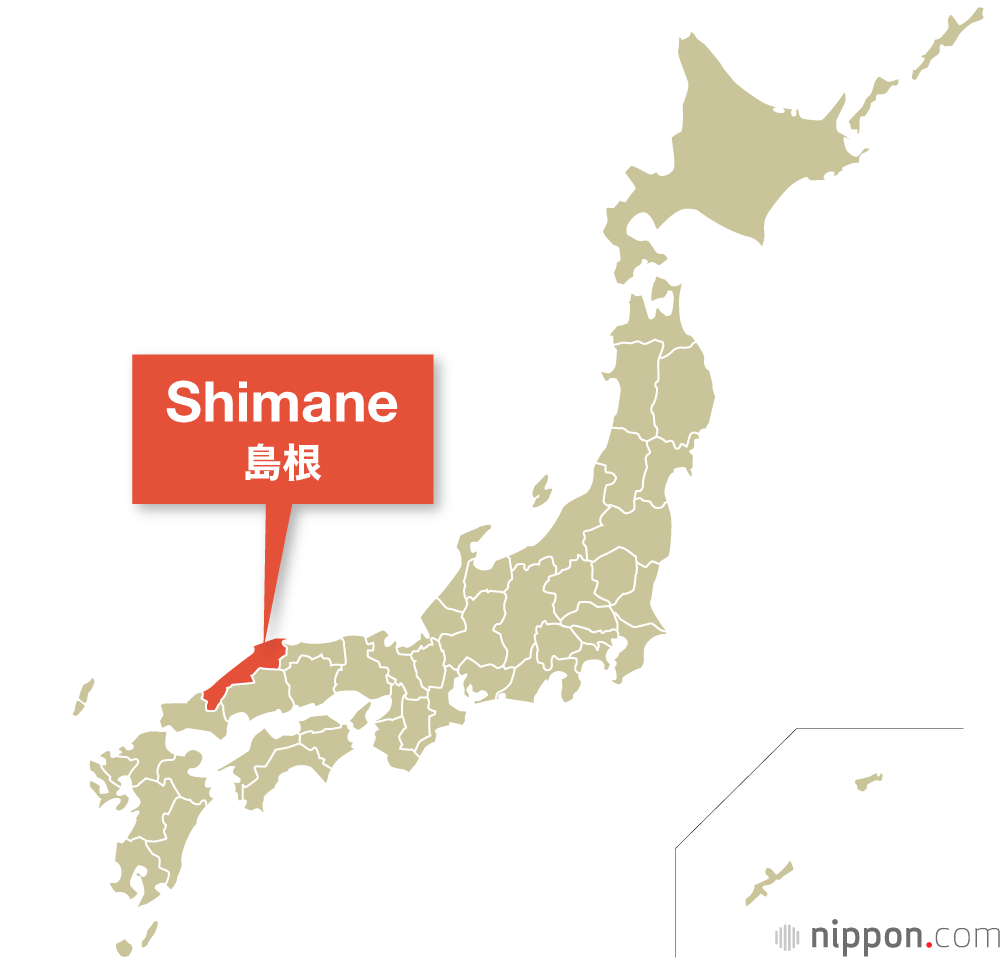
Okayama Prefecture Banzai Japan Idol Group Visit there Website Okayama Prefecture’s claims to fame include the venerated garden Kōrakuen, the well-preserved Bitchū Matsuyama Castle, and the popular folktale Momotarō. Okayama Prefecture is in the Chūgoku region in western Japan. It borders the Seto Inland Sea to the south and has numerous offshore islands. The inland is mostly mountainous, dominated by the Chūgoku range along the northern border with Tottori Prefecture, with large tracts of forested land. Okayama Prefecture at a Glance Established in 1871 (formerly Mimasaka, Bizen, and Bitchū provinces) Capital: Okayama Population: 1,888,000 (as of Oct. 2020) Area: 7,115 km2 Okayama is home to Kōrakuen, considered among Japan’s three most famous gardens, and Bitchū Matsuyama Castle, finished in 1683 and one of only a handful of fortresses retaining its original keep. Kurashiki in the south boasts a well-preserved historic district with elegant buildings and tree-lined canals. Large swaths of the prefecture fall within the borders of the sprawling Daisen-Oki and Setonaikai National Parks in the north and south, respectively. Okayama is home to one of Japan’s best-known folktales, the story of Momotarō, about a boy born from a peach who along with his animal companions defeats a group of menacing ogres. The prefecture has a robust agriculture sector, with farmers producing staple goods like rice and vegetables along with high-end items such as peaches, grapes, and wagyū-branded beef. Manufacturing is concentrated on the coast in cities like Okayama and Kurashiki, which have a number of large companies in core industries like petroleum, steel, and automobile production. The city of Kojima supports a thriving denim industry. Bizen ware pottery, lacquerware, and weaving remain important traditional industries in many areas. Okayama’s official mascots Momocchi and Uracchi are based on characters from the folktale Momotarō. Famous Figures Takehisa Yumeji (1884–1934): Painter and illustrator who was a leading member of the “Taishō Romanticism” art movement. Known particularly for his bijinga, depictions of beautiful women. Ōshima Nagisa (1932–2013): Film director and screenwriter known internationally for works like In the Realm of the Senses and Merry Christmas, Mr. Lawrence. Arimori Yūko (1966–): Marathoner and two-time Olympic medalist. https://www.youtube.com/watch?v=xZnqFEYdvVA Paul (Poison Fish) Manjyu Woodmanwww.banzaijapan.xyz
Read More 🡥
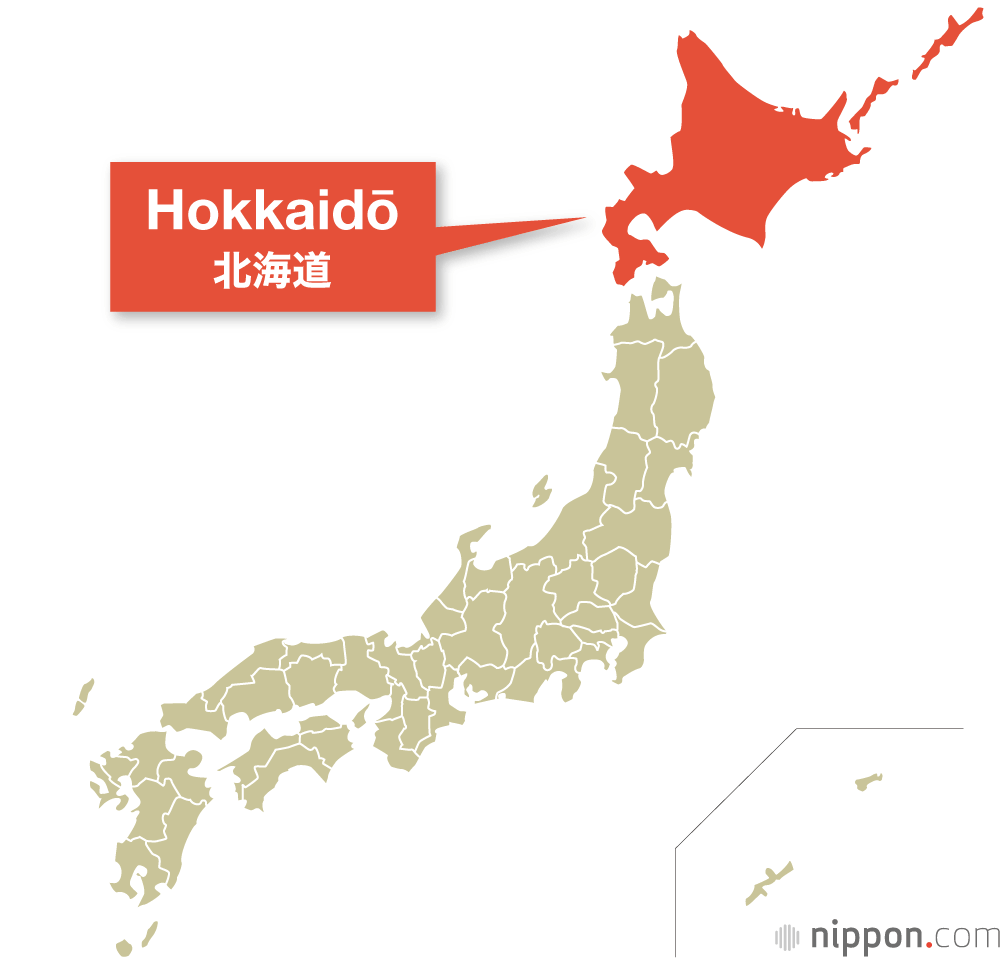
Hokkaidō Prefecture

The Prefectures of Japan Hiroshima Prefecture

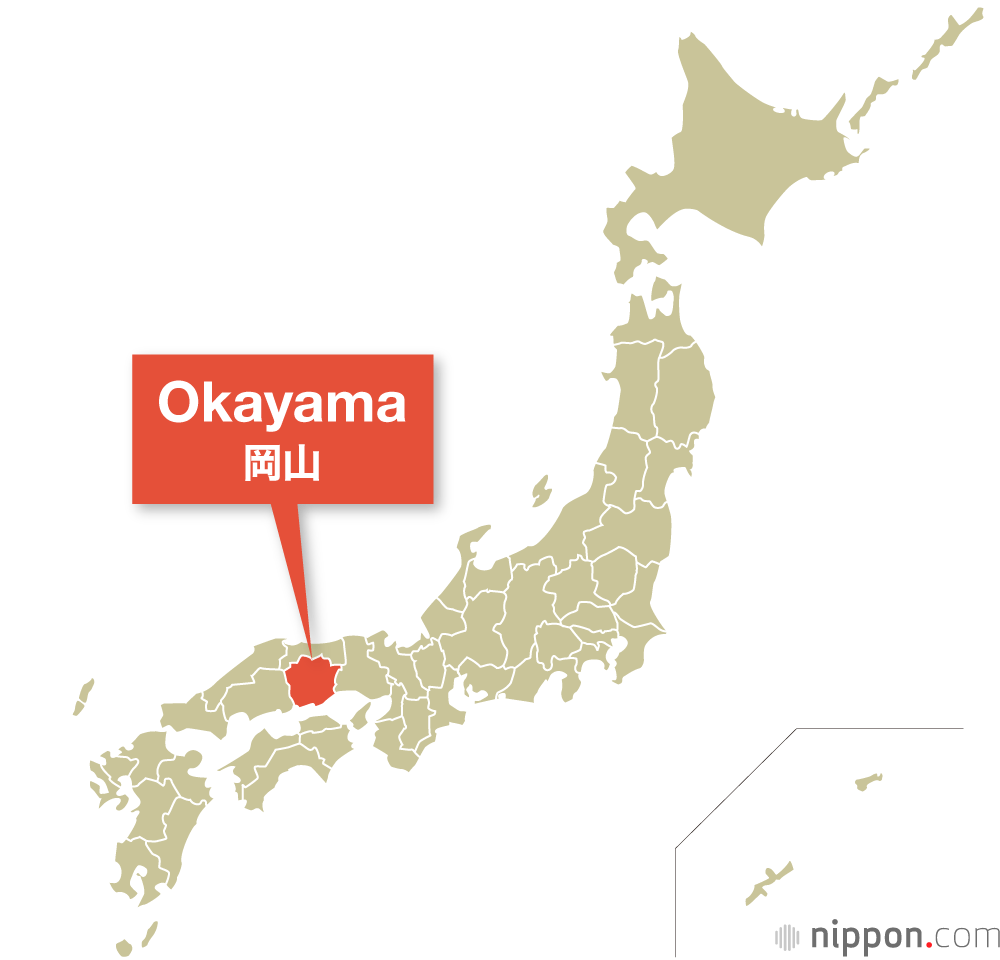
Hiroshima Prefecture Banzai Japan Idol Group Visit there Website Hiroshima Prefecture is famed for its oysters, mikan, and sake, and is home to the Hiroshima Peace Memorial and Itsukushima Shintō Shrine. Hiroshima Prefecture is located at the southwestern end of the island of Honshū, in the Chūgoku region. It is largely mountainous, dominated by the Chūgoku range that runs along the northern border. The Seto Inland Sea forms the southern boundary of the prefecture and boasts numerous picturesque islands. Hiroshima Prefecture at a Glance Established in 1871 (formerly Bingo and Aki provinces) Capital: Hiroshima Population: 2,800,000 (as of Oct. 2020) Area: 8,479 km2 Hiroshima is home to two UNESCO World Heritage sites, the Hiroshima Peace Memorial commemorating the August 1945 atomic bombing of the city and Itsukushima Shintō Shrine, traditionally held to be one of the three most beautiful spots in Japan. The mountains to the north offer abundant hiking and other outdoor activities, and in the south scenic spots dot the coastline and islands of the Inland Sea. Manufacturing is a pillar of Hiroshima’s economy, including heavy industries like shipbuilding and automotives, along with pioneering sectors such as electronics. Hiroshima’s central location also makes it a domestic and international transportation hub. The prefecture is a major producer of mikan mandarins and other citrus fruits, as well as wagyū beef, and its succulent oysters feature on menus at restaurants around Japan. A major rice grower, Hiroshima is also famous for its sake. Hiroshima Kiyomori is the prefecture’s official tourism PR character. He is based on the military leader Taira no Kiyomori, who had deep connections with Itsukushima and other sites around Hiroshima. Famous Figures Ibuse Masuji (1898–1993): Novelist, poet, and essayist. Author of the short story “Sanshōuo” (tr. by John Bester as “Salamander”) and the novel Kuroi ame (tr. by Bester as Black Rain) recounting the atomic bombing of Hiroshima. Maruki Iri (1901–1995): Artist and hibakusha who with his wife Toshi (1912–2000) created “The Hiroshima Panels.” Oda Mikio (1905–1998): Athlete and the first Japanese Olympic gold medalist. Won the triple jump event at the 1928 Summer Olympics in Amsterdam. https://www.youtube.com/watch?v=XHOmBV4js_E Paul (Poison Fish) Manjyu Woodmanwww.banzaijapan.xyz
Read More 🡥
Yamagata Prefecture

The Prefectures of Japan Yamagata Prefecture

Yamagata Prefecture Prefecture Banzai Japan Idol Group Visit there Website Snowy Yamagata Prefecture, in Japan’s Tōhoku region, is home to the Dewa Sanzan, three sacred mountains forming the core of one of the oldest religious traditions in the country. Yamagata Prefecture, on the Sea of Japan coast in the Tōhoku region, lies south of Akita, west of Miyagi, and north of Niigata and Fukushima. The ninth largest prefecture by area but just the thirty-fifth by population, it is a sparsely populated place featuring rugged mountains including the Dewa Sanzan, three peaks held to be sacred spots for practitioners of Shugendō, one of Japan’s oldest native religious traditions. Yamagata Prefecture at a Glance Established in 1876 (formerly part of Dewa province) Capital: Yamagata Population: 1,068,000 (as of Oct. 2020) Area: 9,323 km2 The inland city of Yamagata, the largest in the prefecture, has just short of 250,000 residents calling it home. Tsuruoka and Sakata, on the northern coast, and Yonezawa in the south follow the capital in the population rankings, but Yamagata Prefecture as a whole is largely rural. Fully 17% of the prefectural area falls inside of natural parks, and the eastern border of Yamagata runs along the Ōu Mountains, the longest range in Japan. In the far north of the prefecture is Mount Chōkai, its highest point at 2,236 meters in elevation. The prefectural center, meanwhile, is the site of the northern Echigo Mountains, including Mount Gassan (1,984 meters), Mount Yudono (1,504 meters), and Mount Haguro (414 meters). These are the Dewa Sanzan, the “three peaks of Dewa” where Shugendō retains a strong hold. These mountains are also cherished by the relatively newer arrival of Buddhism; the Yamadera (“mountain temple”) complex of several dozen structures, formally named Hōjusan Risshakuji, was founded in 860 by Jikaku Daishi (794–864), then the head of Japan’s Tendai school of Buddhism. An esoteric sect of the faith also produced the tradition of sokushinbutsu, in which monks committed themselves to mummification while still alive, seen most frequently in the temples of Yamagata. The prefecture’s economy depends heavily on modern industries like communications and electronics devices and chemical products, building on a mining tradition that led also to a strong metal-casting industry from medieval times onward. Yamagata remains known for its agriculture as well, though, in particular cherries (the prefecture grows around 70% of the national total) and Yonezawa wagyū beef, one of the top local appellations in Japan. The area became much more accessible from Japan’s main population centers in 1992, when the Yamagata Shinkansen was opened as far as the prefectural capital; in 1999 the line was extended as far as Shinjō in Yamagata’s north. This spur line parts from the main Tōhoku Shinkansen route at Fukushima Station to bring passengers across the spine of Honshū to the island’s west. Kitekero-kun, the Yamagata prefectural mascot, has a name that means “Please come on up!” in the local dialect of Japanese. Kitekero-kun has a face shaped like Yamagata and wears a hat decorated with the prefecture’s famed cherries. Famous Figures Ogata Taketora (1888–1956): Journalist and politician. Was the chief editor of the Tokyo Asahi Shimbun in the prewar and early wartime era, as well as vice president of the newspaper publisher; turned to politics thereafter, serving in the cabinets of Koiso Kuniaki (1944–45) and Higashikuni Naruhiko (1945). Was purged from politics under the Allied Occupation but returned to serve in the cabinet of Prime Minister Yoshida Shigeru in 1952–53. Inoue Hisashi (1934–2010): Writer. Established his fame as a playwright, launching his own theater troupe, the Komatsuza, in 1983, but was also an accomplished novelist, winning the Naoki Prize in 1972 for Tegusari shinjū(Handcuffed Double Suicide) and both the Yomiuri Prize for Literature and the Japan Science Fiction Grand Prize in 1981 for Kirikiri-jin (The People of Kirikiri). Katō Kōichi (1939–2016): Politician. Born in Aichi, Katō grew up in Yamagata and represented the prefecture in the Diet for most of the period from 1972 to 2012. In 2000, following the death of Prime Minister Obuchi Keizō, launched “Katō’s rebellion” against the caretaker prime minister, Mori Yoshirō, but was driven from the political sphere for a time after its failure. https://www.youtube.com/watch?v=dYxK4SPZKOE Paul (Poison Fish) Manjyu Woodmanwww.banzaijapan.xyz
Read More 🡥
Kōchi Prefecture

The Prefectures of Japan Kōchi Prefecture

Kōchi Prefecture Banzai Japan Idol Group Visit there Website Kōchi, the largest of the four prefectures on the island of Shikoku, is famed for its natural splendor, including the pristine Shimanto River. Kōchi is the largest of Shikoku’s four prefectures. Its arching southern coastline borders Tosa Bay and the Pacific Ocean, while the inland is largely mountainous and densely forested. Much of the population resides in the centrally situated Tosa plain, where the prefectural capital of Kōchi is situated. Kōchi Prefecture at a Glance Established in 1871 (formerly Tosa province) Capital: Kōchi Population: 692,000 (as of Oct. 2020) Area: 7,103 km2 Kōchi offers visitors many tourist attractions. Its long coastline is marked by picturesque headlands, beaches, and other natural features. In the mountains, the sprawling Tengunomori plateau along the border with Ehime Prefecture is dominated by the Shikoku Karst, and the Shimanto River, considered Japan’s last pristine waterway, flows in the southwest of the prefecture. Kōchi is home to several temples on the henro pilgrimage route around Shikoku, and Kōchi Castle and Hirome Market, with its shops offering katsuo tataki (seared bonito) and other local delicacies, are popular stops in the capital. Kōchi’s agricultural, forestry, and fishing industries account for a large portion of its economic output. It is a major producer of yuzu, or Japanese citron, the scent of which is used to enhance the aroma of an array of items from bathwater to foods. The prefecture is also known for its abundant hauls of bonito, traditionally caught with just a pole and line in a style called ipponzuri, along with a range of other marine products brought by the Kuroshio (Japan Current) that flows along its coast. Other important sectors include the manufacturing of industrial machinery, paper, and lumber. Traditional manufacturing includes washi (Japanese paper), forged blades called Tosa uchihamono, and ceramics. Kuroshio-kun, Kōchi’s official mascot, brings to mind the waves of the Japan Current (Kuroshio), which flows off the prefecture’s Pacific coastline. Famous Figures Nakahama Manjirō (1827–98): Also known as John Manjirō, he was rescued by an American whaling ship when his fishing boat went adrift and ended up travelling to the United States, where he studied English and other subjects. Served as a translator and interpreter for the Japanese government. Sakamoto Ryōma (1836–67): Imperial loyalist known for brokering an alliance between the Satsuma and Chōshū domains (now Kagoshima and Yamaguchi Prefectures, respectively) that brought an end to the Tokugawa shogunate. He was famously assassinated by unknown figures while in Kyoto. https://www.youtube.com/watch?v=m3d0HbNAB5w Paul (Poison Fish) Manjyu Woodmanwww.banzaijapan.xyz
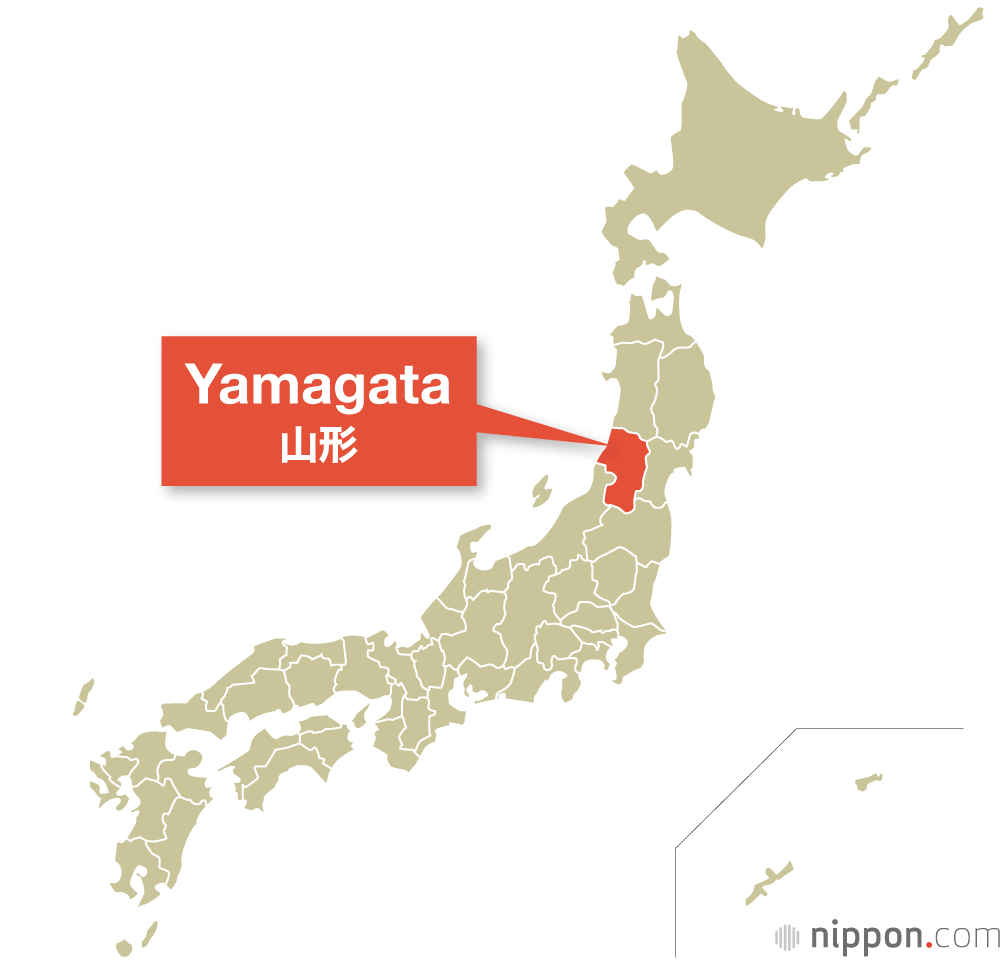
Read More 🡥
Fukushima Prefecture

The Prefectures of Japan Fukushima Prefecture

Fukushima Prefecture Banzai Japan Idol Group Visit there Website Fukushima Prefecture, Japan’s third largest by area, lies some 200 kilometers north of Tokyo on Japan’s main island of Honshū. Fukushima is the southernmost prefecture in Japan’s Tōhoku region. From Aizuwakamatsu, its historic castle town in the western Aizu area, to the Hamadōri area on the Pacific coast, this expansive prefecture has much to offer to visitors. Fukushima Prefecture at a Glance Established in 1876 (formerly part of Mutsu province) Capital: Fukushima Population: 1,833,000 (as of Oct. 2020) Area: 13,784 km2 Fukushima is the third largest prefecture in Japan and the second largest in Tōhoku, behind Iwate. Spanning much of the width of the island of Honshū, from its border with Niigata Prefecture in the west to the Pacific Ocean in the east, Fukushima boasts a range of terrain and climatic conditions, from the mountain wilderness in its far western area of Aizu to the warmer coastal Hamadōri area in the east, with the Nakadōri area between them. To the north of Fukushima are Miyagi and Yamagata Prefectures; to the south, it borders Gunma, Tochigi, and Ibaraki. Hiuchigatake, at 2,356 meters the highest peak in the prefecture, stands in Oze National Park, which straddles the borders with Gunma, Tochigi, and Niigata. More famous, though, is the 1,816-meter Mount Bandai, north of Lake Inawashiro in the center of the prefecture. Fukushima Prefecture has a thoroughly modernized economy, with chemicals, IT equipment, and transportation machinery topping its list of manufacturing industries. The prefecture’s broad plains and rich forestry resources have also made it a powerhouse in production of crops like peaches, for which it ranks second in Japan, and rice, sixth. The March 11, 2011, Great East Japan Earthquake dealt Fukushima a triple blow, with the quake damage followed by the massive tsunami and then the meltdowns at Fukushima Daiichi Nuclear Power Station on the prefecture’s northern coast. Parts of a number of municipalities near the station remain closed to habitation indefinitely due to radiation concerns, and work to dismantle and safely dispose of the damaged reactors and containment buildings is expected to continue for decades. Also receiving a major blow was Fukushima’s fisheries industry. Nationwide and international concerns about radiation leaking into the sea have caused consumers to avoid Fukushima’s seafood, despite stringent safety checks. The prefectural fishing industry’s output remains less than half of what it was in 2010, before the disaster. Tourism remains an area where Fukushima is counting on growth. Ski areas around Mount Bandai, hot springs along the coast and in the mountainous areas, the castle Tsurugajō and other historical attractions in the western city of Aizuwakamatsu, and the surprising presence of Spa Resort Hawaiians, a Pacific-island-themed hotel complex in the city of Iwaki, all bring people to visit. Located just a couple hours north from Tokyo via Shinkansen, Fukushima also hosts annual festivals like the Sōma Nomaoi, a horse-riding event with a millennium of history. The prefecture now uses a mascot called Kibitan, based on the kibitaki (narcissus flycatcher), to symbolize the recovery from the 3/11 disaster. Famous Figures Noguchi Hideyo (1876–1928): Bacteriologist. Despite badly burning one hand in an accident as a toddler, he persevered and became a celebrated medical researcher, doing work in the United States, Europe, South America, and Africa and helping to identify the causes of diseases like syphilis and yellow fever. Felled by illness in Ghana during a research trip, he remains a heroic figure to this day, and is featured on the ¥1,000 note. Tsuburaya Eiji (1901–70): Filmmaker. Known as the “father of tokusatsu” practical special effects, he was a creator of the Godzilla and Ultraman film franchises, and worked on some 250 movies during his prolific and influential career. Nishida Toshiyuki (1947–): Actor. Most famous in Japan for starring in the long-running Tsuribaka nisshi fishing-themed film series, he has won two Japanese Academy Awards for best actor. Paul (Poison Fish) Manjyu Woodmanwww.banzaijapan.xyz
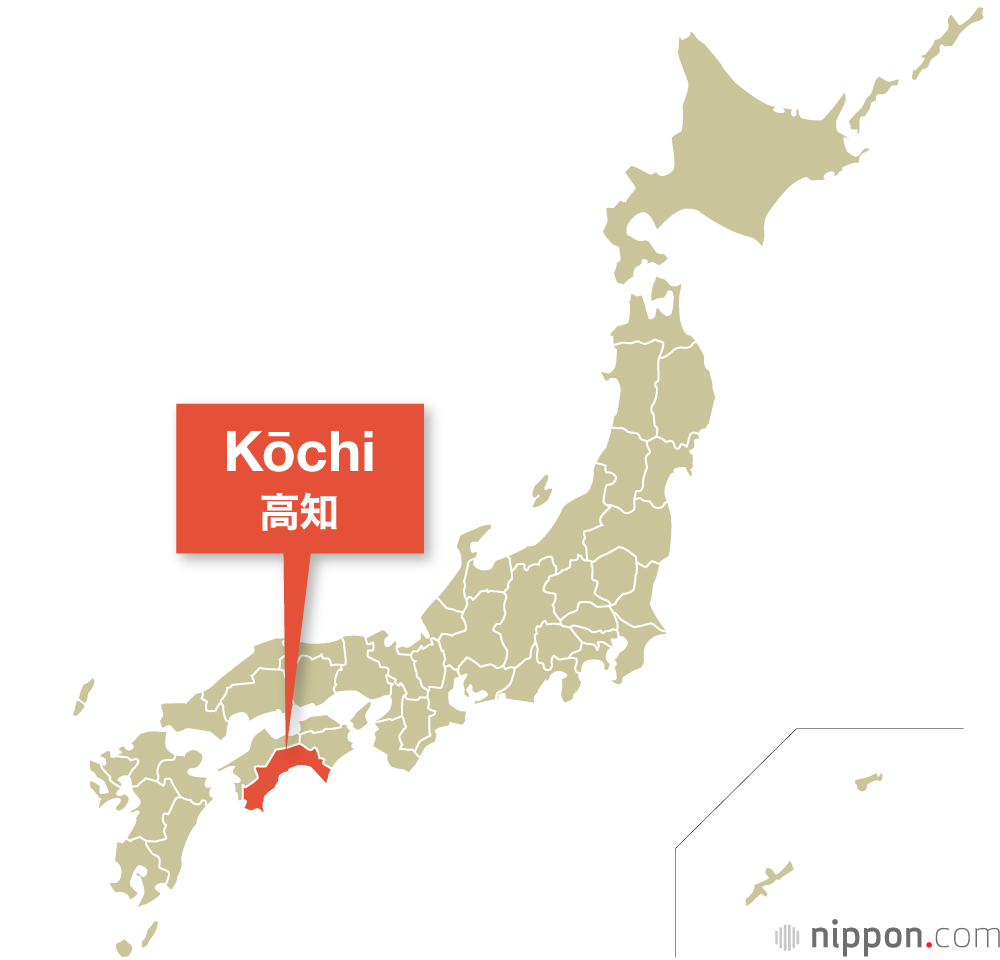
Read More 🡥
Ibaraki Prefecture

The Prefectures of Japan Ibaraki Prefecture

Ibaraki Prefecture Banzai Japan Idol Group Visit there Website Ibaraki Prefecture, north of Chiba on the Pacific coast in the Kantō region, is known as home to the famed garden Kairakuen, the site of Japan’s second-largest lake and second-longest river, and the nattō capital of Japan. Ibaraki Prefecture, located in the Kantō region to the north of Saitama and Chiba Prefectures, is famed for its association with nattō, which some claim was first created here a thousand years ago. There is more to the prefecture than fermented soybeans, though: Ibaraki is the site of Kasumigaura, Japan’s second-largest lake, and the Tone River, its second longest (and the river with the largest drainage basin in the nation). Ibaraki Prefecture at a Glance Established in 1875 (formerly Hitachi province) Capital: Mito Population: 2,867,000 (as of Oct. 2020) Area: 6,098 km2 The prefecture is just north of Chiba on the Pacific coastline. Mito, the capital, is the largest city, followed closely by others including Tsukuba in the prefecture’s southwest and Hitachi and Hitachinaka on the northern coast. The south of the prefecture is dominated geographically by Lake Kasumigaura, the second largest freshwater body in Japan behind Shiga’s Lake Biwa. Northwest from the lake stands Mount Tsukuba, Ibaraki’s most celebrated peak, which has featured in traditional poetry since the eighth-century Man’yōshū. Mito is home to Kairakuen, opened in the 1840s and counted among Japan’s three finest landscape gardens. The city of Tsukuba, meanwhile, hosts a number of leading scientific research institutions. The Tsukuba Science City plan, launched in the 1970s, has brought dozens of national and other public schools and research organizations to the city, and private-sector institutions bring the total to some 150 in all. This focus on research and development in scientific and technological fields, along with Ibaraki’s proximity to Tokyo and its access to the ocean, have given it a powerful industrial base. Businesses cluster in particular around the city of Hitachi, whose name is borne by the globally known corporation that was launched there in 1910, and the port city of Kashima, with a major presence in petrochemical and other materials industries. Ibaraki’s broad, flat plains and temperate climate give it an outsize footprint in agriculture, too. As of 2020, it was home to more farming businesses than any other prefecture, and placed third behind Hokkaidō and Kagoshima in the national ranking by crop value. Ibaraki is the second-ranking producer of tubers and vegetables, trailing only Hokkaidō. Perhaps its most famous agricultural product is the fermented soybeans known as nattō. One story says that this pungent dish was invented by accident when the military commander Minamoto no Yoshiie (1039–1106), encamped near Mito, discovered that the boiled soybeans wrapped in straw his troops were carrying had developed the stickiness and scent familiar to fans of the food today. The 18 producers in Ibaraki are the largest number in any prefecture in the national association of nattō manufacturers. The prefecture also claims fame as the formal birthplace of aikidō. Ueshiba Morihei, who founded the discipline, moved to Iwama, Ibaraki, in the 1940s, there building the Aiki Shrine and Ibaraki Dōjō that served as his base to build it into a globally practiced martial art. Famous Figures Mamiya Rinzō (1780–1844): Explorer and cartographer. Was the first Japanese to explore Karafuto (now Sakhalin), establishing that it was an island and not part of the Eurasian continent. Yokoyama Taikan (1868–1958): Artist. Studied under artists from several Japanese traditions and traveled extensively overseas on his way to becoming one of Japan’s best-known prewar painters. Cofounder of the Japan Fine Arts Academy. Yamaguchi Natsuo (1952–): Politician. Now president of junior ruling coalition partner Kōmeitō, he served in the House of Representative from 1990 to 1996 and the House of Councillors from 2001 to the present. Kuriyama Chiaki (1984–): Actress and model. Gained fame for appearances in films including Fukasaku Kinji’s 2000 Battle Royale and Quentin Tarantino’s 2003 Kill Bill: Volume 1. https://www.youtube.com/watch?v=bgj1jsjyLN8 Paul (Poison Fish) Manjyu Woodmanwww.banzaijapan.xyz
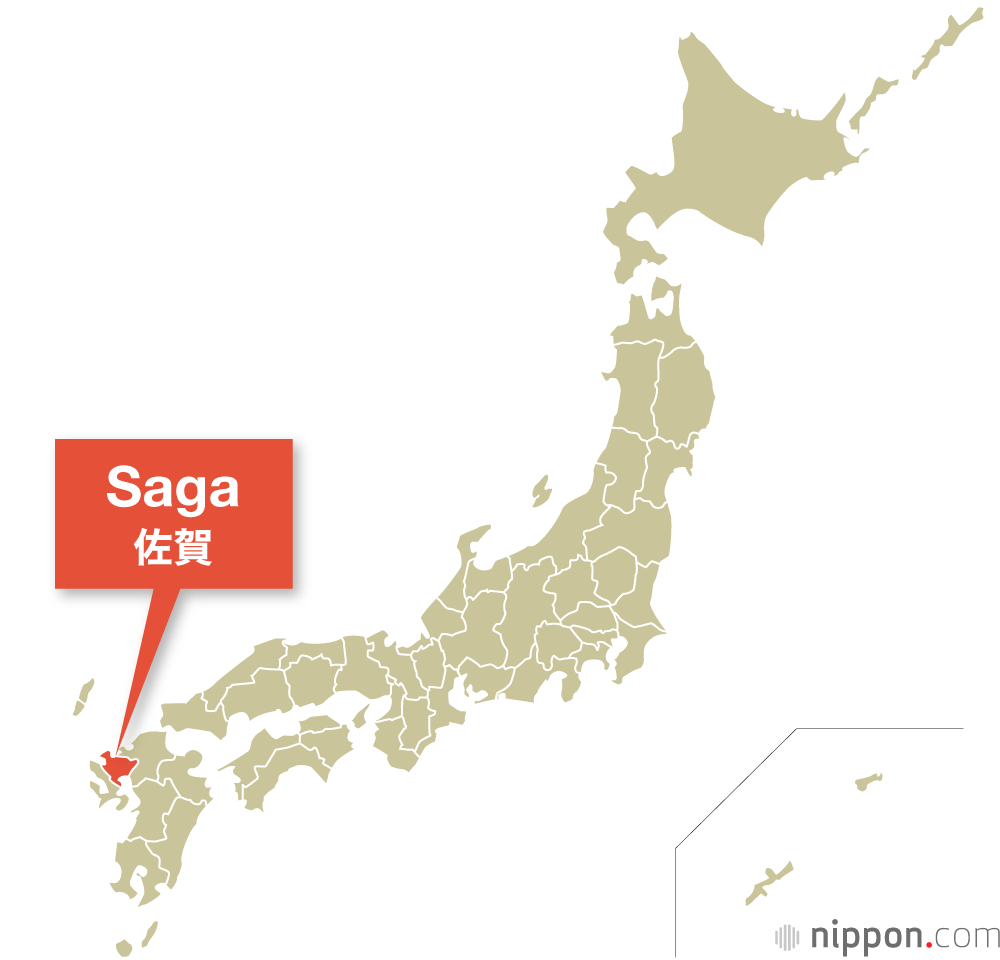
Read More 🡥
Tochigi Prefecture

The Prefectures of Japan Tochigi Prefecture

Tochigi Prefecture Banzai Japan Idol Group Visit there Website Tochigi Prefecture, north of Tokyo in the Kantō region, is rich in history and famed for the tourist destination of Nikkō. Tochigi Prefecture, located in the Kantō region to the north of Tokyo, is one of the eight prefectures in Japan without access to the sea. Utsunomiya, the prefectural capital, is famed for its gyōza dumplings. In the prefecture’s west is Nikkō, home to temples and shrines that have been declared a UNESCO World Heritage site. In the north are Shiobara, famed for its hot springs and autumn foliage, and Nasu, the location of one of the imperial family’s villas. Tochigi Prefecture at a Glance Established in 1873 (formerly Shimotsuke province) Capital: Utsunomiya Population: 1,933,000 (as of Oct. 2020) Area: 6,408 km2 Tochigi lies just north of Tokyo, making it a major tourist destination, both for domestic travelers and for foreign visitors looking to sample the history it has to offer. The forested mountains of Nikkō are the site of historic spots including Tōshōgū, which enshrines Tokugawa Ieyasu, the founder of the Tokugawa shogunate that ruled Japan from 1603 to 1867. The “Shrines and Temples of Nikkō” were inscribed on the UNESCO list of World Heritage sites in 1999. The prefecture is flat in the south and east, with the bulk of its population clustered in cities like the capital Utsunomiya, Sano, Ashikaga, and Tochigi. To the west and north lie tall mountains, including the Nikkō peaks of Mount Shirane (2,578 meters) and Mount Nantai (2,486 meters), as well as Nasu’s Mount Chausu (1,915 meters), the site of the volcanic gas-spewing “killer rock” celebrated in Matsuo Bashō’s poetry. Tochigi is an agricultural powerhouse, ranking in Japan’s top 10 prefectures for its crop and livestock output. In particular it ranks top in Japan for strawberries, including the Tochiotome variety named for the prefecture, as well as kanpyō dried gourd shavings and udo, Japanese spikenard or “mountain asparagus.” In the north of the prefecture, the mountains of Shiobara and Nasu offer a wealth of hot-spring destinations relatively near to Tokyo, making them popular destinations for short trips. Nasu is also home to one of the imperial villas, where the emperor and family go to escape the summer heat. In the southeast of Tochigi, the town of Mashiko is a globally famed ceramics center. In the west of the prefecture, Nikkō features world-famous shrines and temples that UNESCO has included on its list of World Heritage sites. Nikkō Tōshōgū, completed in 1636 by the third Tokugawa shōgun, Iemitsu, is a complex including the mausoleum for Ieyasu, the founder of the Tokugawa dynasty that lasted from the dawn of the seventeenth century up through 1867. The prefectural mascot, Tochimarukun, made his debut in 2009, and has been the official prefectural mascot since 2011. Famous Figures Ibuka Masaru (1908–97): Industrialist and cofounder of Sony. Along with Morita Akio, he built the company Tokyo Telecommunications Engineering, which became Sony in 1958. He was president of the company from 1950 to 1971, during which era it grew into a global name, and served as chairman from 1971 until his 1976 retirement. Guts Ishimatsu (1949–): Boxer and entertainer. Born Suzuki Yūji, made his professional debut in 1966, and despite a less than stellar professional win/loss record, managed to defeat Rodolfo González in 1974 to take the WBC lightweight title. Transitioned to a full-time media celebrity career from the 1970s onward. https://www.youtube.com/watch?v=_-5vj5Ew9WU Paul (Poison Fish) Manjyu Woodmanwww.banzaijapan.xyz
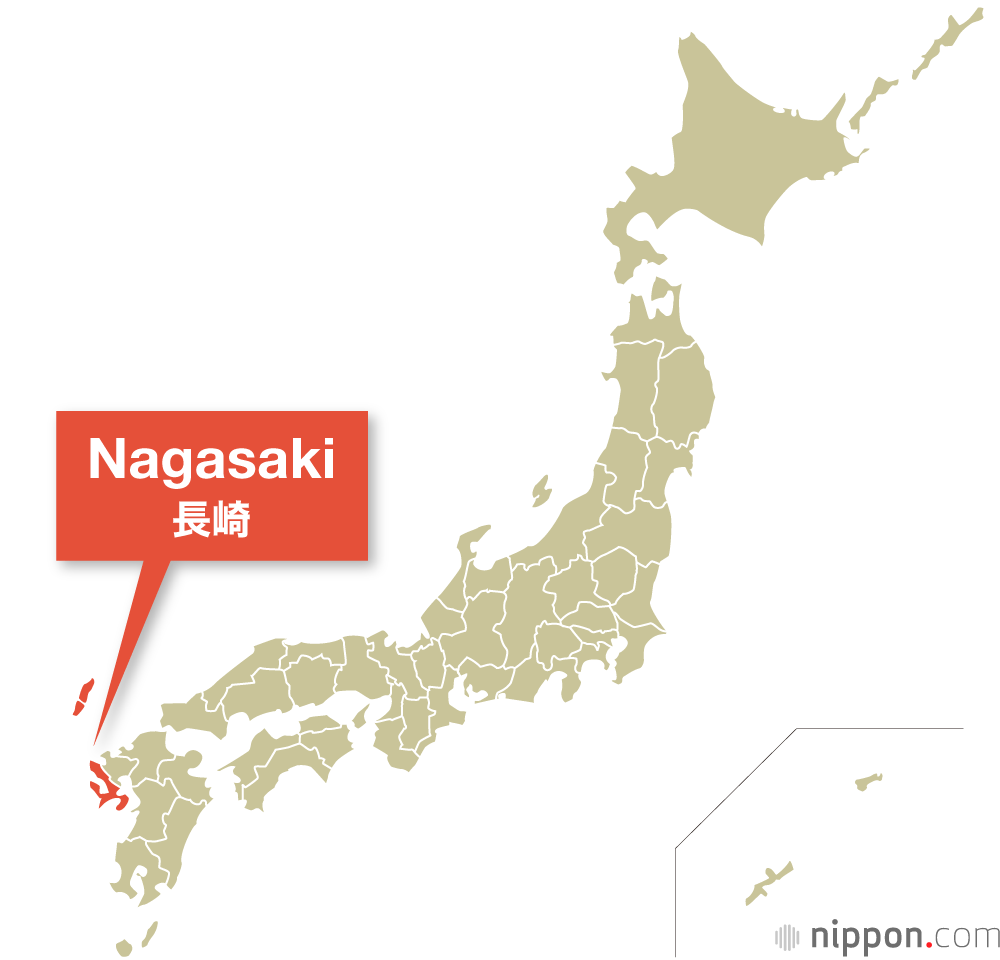
Read More 🡥
Gunma Prefecture

The Prefectures of Japan Gunma Prefecture

Gunma Prefecture Banzai Japan Idol Group Visit there Website Landlocked Gunma Prefecture, northwest of Tokyo on Japan’s main island of Honshū, is known for its rugged mountains, cold winters, and top-ranked hot springs. Gunma, one of just eight landlocked prefectures in Japan, is part of the Kantō region. The prefectural capital, Maebashi, is in a low-lying portion of the Kantō plain in the eastern center of the prefecture, along with Takasaki, the largest city. Much of southern, western, and northern Gunma consists of high, rugged mountain ranges shared with prefectural neighbors like Niigata, Nagano, and Saitama. Gunma Prefecture at a Glance Established in 1876 (formerly Kōzuke province) Capital: Maebashi Population: 1,939,000 (as of Oct. 2020) Area: 6,362 km2 Gunma’s proximity to Tokyo makes it an attractive tourist destination, in summer for outdoor activities like whitewater rafting in Minakami and hiking through the northeastern marshland of Oze. In winter, skiers and snowboarders enjoy the relatively uncrowded slopes of the prefecture’s resorts, but the big draw is the hot springs, especially those clustered in major bathing centers like Kusatsu and Ikaho. With its cold, relatively dry winters and mountainous terrain, Gunma is not known for rice production, but it does rank in the top 10 nationally for both vegetable production and livestock raising, including silkworms. In particular, the prefecture tops the nation in production of konnyaku (konjac root), a popular oden ingredient, and edamame fresh soybeans, and is the number-two producer of cabbage. The Tomioka Silk Mill and Related Sites were inscribed on UNESCO’s list of World Heritage in 2014, symbolizing Japan’s modernization and industrialization from the late nineteenth century onward. Tomioka grew into a major sericulture center that put Japan on the map as a global silk producer. Mount Asama, on Gunma’s border with Nagano Prefecture, is Honshū’s most active volcano. Standing 2,568 meters high, it erupted spectacularly in 1783, killing well over a thousand people and dealing a blow to regional agriculture for some years afterward. Gunma-chan, Gunma’s official mascot, is a horse, as befits a prefecture with -ma (horse) in its name. In ancient times the Gunma region was a center for horse breeding. Famous Figures Nakasone Yasuhiro (1918–2019): Politician and prime minister of Japan from 1982 to 1987. He worked to improve Japan’s relations with the Soviet Union and China, but remained close to the United States, as seen in his close personal ties with US President Ronald Reagan, dubbed the “Ron-Yasu” friendship. Domestically, his administration pushed forward the privatization of state entities like the Japan National Railways and Nippon Telegraph and Telephone. Mikuni Rentarō (1923–2013): Actor. Appeared in more than 150 films over a six-decade career, being nominated for a Japan Academy Award 10 times and taking the leading actor honor three times. Starred in titles including The Burmese Harp (1956), Kwaidan (1964), and many installments in the Tsuribaka nisshi fishing-themed comedy series. https://www.youtube.com/watch?v=T_V972Gu5Zk Paul (Poison Fish) Manjyu Woodmanwww.banzaijapan.xyz
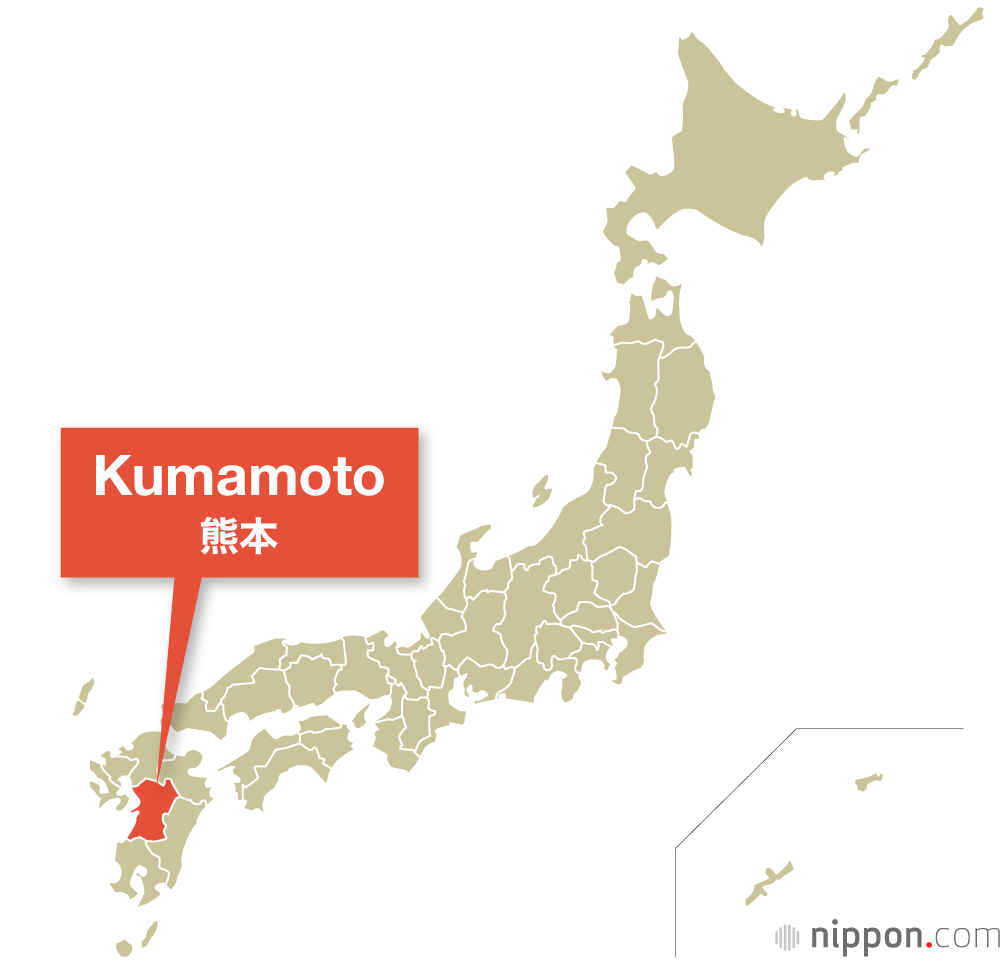
Read More 🡥
Hokkaidō Prefecture

The Prefectures of Japan Tokushima Prefecture

Tokushima Prefecture Banzai Japan Idol Group Visit there Website Tokushima Prefecture, on the eastern end of Shikoku, is a center of traditional indigo dying and is home to historic temples, steep gorges, and the lively Awa Odori festival. Tokushima Prefecture is located at the eastern end of Shikoku and shares borders with the island’s three other prefectures, Kagawa, Ehime, and Kōchi. It has an extensive coastline, extending from the Seto Inland Sea in the north and along the Kii Channel and Pacific Ocean to the east. The mountainous inland is dominated by the low peaks of the Sanuki Mountains in the north and the taller Shikoku range in the south, which includes 1,955-meter Mount Tsurugi, Shikoku’s highest summit. The Yoshino River, the prefecture’s main artery, passes through steeps gorges and then meanders across the flat, arable land in the central part of the prefecture while making its way to the coast. Tokushima Prefecture at a Glance Established in 1871 (formerly Awa province) Capital: Tokushima Population: 720,000 (as of Oct. 2020) Area: 4,147 km2 The prefecture’s long coastline, densely forested mountains, and rich culture and history make it a popular destination for travelers. The Naruto Strait is famed for its massive whirlpools, while the Pacific coastline to the south attracts surfers and other beachgoers. The Ōboke and Koboke gorges in the Iya valley near the headwaters of the Yoshino River offer outdoor activities like hiking and rafting. The henro, an ancient 88-temple walking route that snakes around Shikoku, starts in Tokushima. The Awa Odori, held in mid-August, is one of Japan’s most famous festivals. Tokushima has a robust economy supported by industries like LEDs, pharmaceuticals, and machinery manufacturing. Paper and lumber are core sectors that rely on the prefecture’s abundant forests. Farmers produce staples like rice and vegetables along with specialties like the citrus fruit sudachi and the Naruto Kintoki variety of sweet potato. Naruto wakame is farmed in the nutrient-rich coastal waters. Since the Edo period (1603–1868), Tokushima has been a traditional center for the production of wasanbon sugar used to make Japanese confections and indigo. Tokushima’s official mascot Sudachi-kun is based on the small sudachi citrus fruit grown in the prefecture. Famous Figures Miki Takeo (1907–88): Liberal Democratic Party politician who served as prime minister of Japan from 1974 to 1976. Setouchi Jakuchō (1922–2021): Author and Buddhist nun known for her biographical novels and modern Japanese translations of classical works like The Tale of Genji. https://www.youtube.com/watch?v=AKIMrnBIybI Paul (Poison Fish) Manjyu Woodmanwww.banzaijapan.xyz
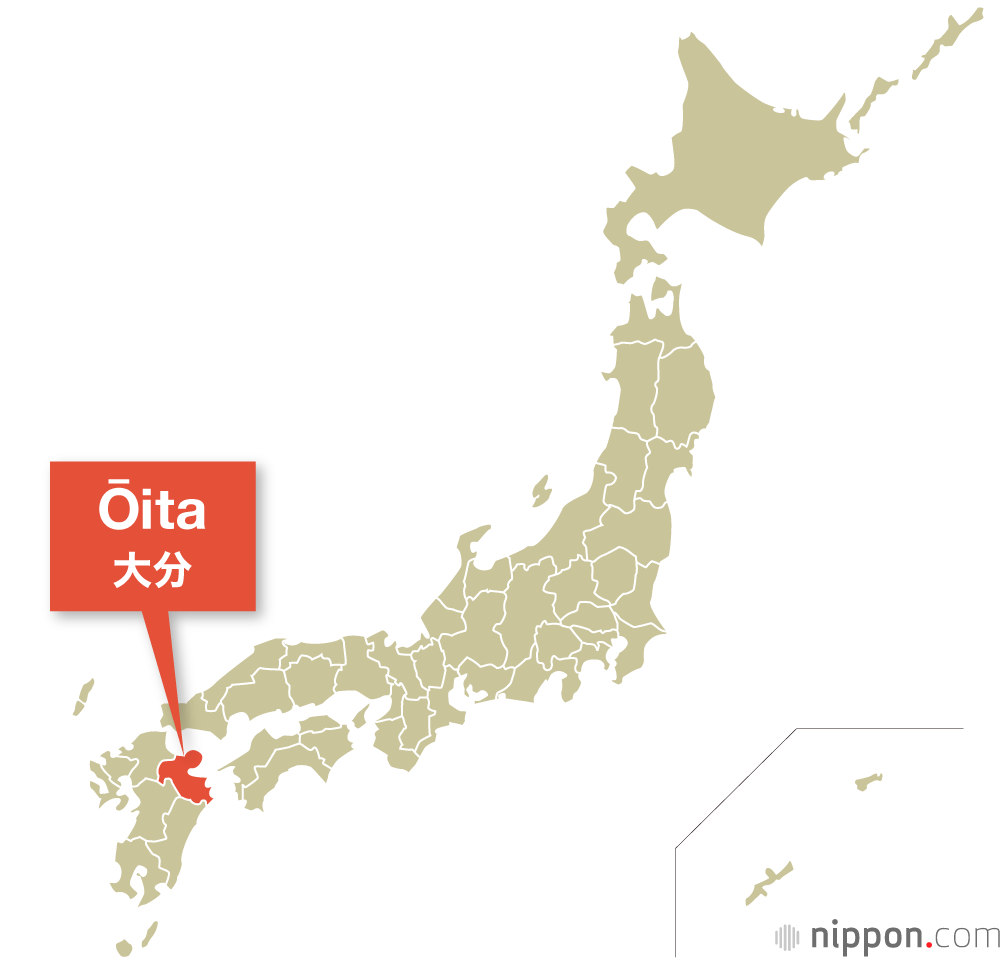
Read More 🡥
Kagawa Prefecture

The Prefectures of Japan Kagawa Prefecture

Kagawa Prefecture Banzai Japan Idol Group Visit there Website Japan’s smallest prefecture by area, Kagawa in Shikoku is bursting with natural attractions, boasts one of Japan’s most famous gardens, and is home to savory Sanuki udon. Kagawa is Japan’s smallest prefecture by size. Set on the northeastern end of Shikoku, it borders the Seto Inland Sea and includes many offshore islands. The inland is dominated by the Sanuki Mountains along the southern border with Tokushima Prefecture, with flat, arid land toward the coast. The Seto Ōhashi bridge connects Kagawa to the main island of Honshū. Kagawa Prefecture at a Glance Established in 1888 (formerly Sanuki province) Capital: Takamatsu Population: 950,000 (as of Oct. 2020) Area: 1,877 km2 Large portions of Kagawa fall within the borders of the sprawling Setonaikai National Park, including popular sightseeing spots like the islands of Shōdoshima and Naoshima and the rugged Goshikidai Plateau. Ritsurin Garden in Takamatsu is one of Japan’s most famous landscape gardens. The prefecture is renowned among foodies as the home of Sanuki udon. A number of leading firms in sectors like automotive parts, electrical and construction machinery, and shipbuilding are located in Kagawa. Advanced fields such as metal processing and molds, as well as chemicals and other primary industrial materials, account for a sizable portion of the prefecture’s economic output. Kagawa is Japan’s top producer of olives. Nori and Japanese amberjack are farmed in the nutrient-rich waters of the Inland Sea. Famous Figures Kūkai (774–835): Buddhist priest, also known as Kōbō Daishi. Founded the Shingon sect of Buddhism. Kikuchi Kan (1888–1948): Novelist, playwright, and founder of major publisher Bungei Shunjū. Established the Akutagawa Prize and Naoki Prize, two of Japan’s most prestigious literary awards. Miyatake Tōyō (1895–1979): Japanese-American photographer known for documenting the internment of Japanese Americans at Manzanar in California during World War II. https://www.youtube.com/watch?v=ZhmzK2ChNEo Paul (Poison Fish) Manjyu Woodmanwww.banzaijapan.xyz
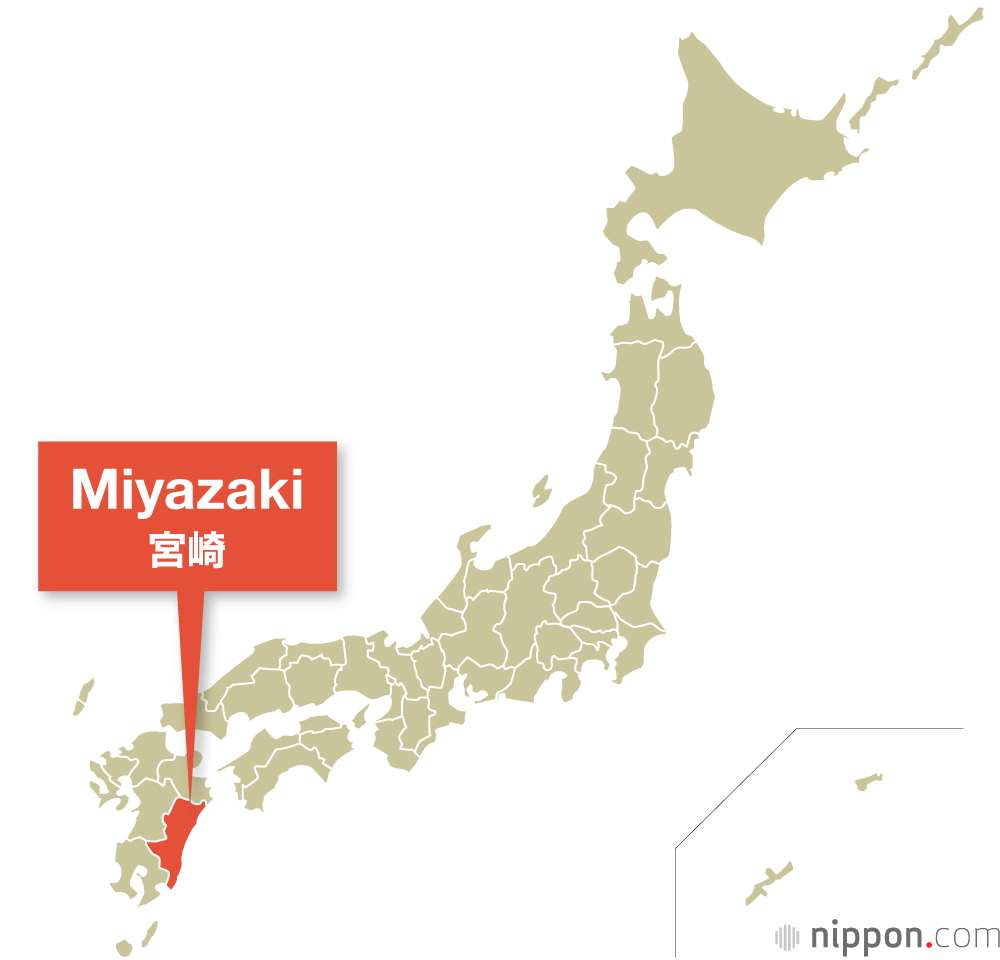
Read More 🡥
Hokkaidō Prefecture

The Prefectures of Japan Hokkaidō Prefecture

Hokkaidō Prefecture Banzai Japan Idol Group Visit there Website Japan’s northernmost prefecture of Hokkaidō is also the largest and coldest. It is famed for frigid weather, and its capital Sapporo hosted the 1972 Winter Olympics; it is also a major farming and ranching center for the nation. Hokkaidō Prefecture occupies the entire northernmost of Japan’s main four islands. Sapporo, its capital and largest city, was the second in Japan to host the Olympics, with the winter games in 1972. Ski resorts throughout the prefecture, especially around Niseko in the south, attract winter sports aficionados from around the world. It is also the “bread basket” of Japan. Hokkaidō Prefecture at a Glance Established in 1869 (formerly the Ezo territory) Capital: Sapporo Population: 5,225,000 (as of Oct. 2020) Area: 83,424 km2 Stretching from Cape Shirakami in the south, at 41.2ºN latitude, to Cape Sōya in the north at 45.3ºN, Hokkaidō is in the far north of Japan. This brings it bitterly cold winters (19 of the 20 lowest temperatures ever recorded in Japan come from measuring stations on the island, including the country’s all-time low of –41.0ºC in Asahikawa) and pleasant, temperate summers, without the rainy season that hits most of the rest of the country at the end of spring. Hokkaidō is the only prefecture labeled a dō in Japanese, rather than a to like Tokyo, a fu like Osaka and Kyoto, or a ken. This term harks back to the premodern era, when it referred to regions more extensive than the domains and provinces constituting the nation at the time. Its wide-open spaces make it Japan’s leading agricultural producer, growing more than 66% of the country’s wheat, 78% of its potatoes, and 43% of its soybeans as of 2021. Its dairy and cattle-ranching industries also lead the nation: Hokkaidō provides over 56% of Japan’s domestically produced milk and 20% of its beef. Hokkaidō lacks the towering mountain ranges that Honshū boasts; its highest peak is Asahidake, at just 2,291 meters in elevation. But winter winds blowing across from Siberia pick up moisture from the Sea of Japan and drop it in the form of light, deep powder snow, making the prefecture’s ski resorts some of the most popular in Japan—and among skiers and snowboarders from around the world. The Niseko area southwest from Sapporo saw a huge boom in international visitors before the COVID-19 pandemic, and numbers are picking up once more as travel restrictions are unwound. Sapporo, meanwhile, hosted the 1972 Winter Olympics, and remains a regular stop on the international ski jumping competition circuit. The oceans surrounding the island are highly productive, making Hokkaidō also known for its fishery industry. Its 4,402 kilometers of coastline front on the Japan Sea, the Sea of Okhotsk, and the Pacific Ocean, and its fishing fleet—with the largest number of vessels of any prefecture—hauls in roughly a fourth of Japan’s fisheries production, including large shares of salmon, scallops, hokke mackerel, and konbu seaweed. Hokkaidō is rich in unspoiled nature, and its six national parks offer visitors beautiful views of mountains, lakes, marshes, and wild shorelines populated by bears, foxes, Ezo deer, and other species to be found primarily on Japan’s northernmost island. The northeastern peninsula of Shiretoko was designated a natural World Heritage monument in 2005. A number of areas have been named Ramsar sites for preserving wetland ecosystems, including the Kushiro marshes, Japan’s first Ramsar site, designated in 1980. The prefecture’s cities have their attractions as well. Each winter the capital holds the Sapporo Snow Festival, and the port town of Otaru features numerous brick warehouses from the era of Japan’s modernization that are popular tourist draws. Famous Figures Suzuki Akira (1930–): Chemist. Joint recipient of the Nobel Prize for Chemistry in 2010. Earned his undergraduate and doctorate degrees at Hokkaidō University, where he would also work for more than three decades, focusing on the organic synthesis work that resulted in his discovery of the Suzuki reaction, which he announced in 1979.   Kasai Noriaki (1972–): Ski jumper. Made his World Cup debut in 1988 at the age of 16 and continued competing at the top level through the 2018 Pyeongchang Olympics, earning the nickname “Legend” in the process. At Sochi in 2014 he became the oldest ski jumper to win an Olympic medal, taking silver in the large hill individual event and bronze in the large hill team event. https://www.youtube.com/watch?v=CaHNfa0QloQ Paul (Poison Fish) Manjyu Woodmanwww.banzaijapan.xyz
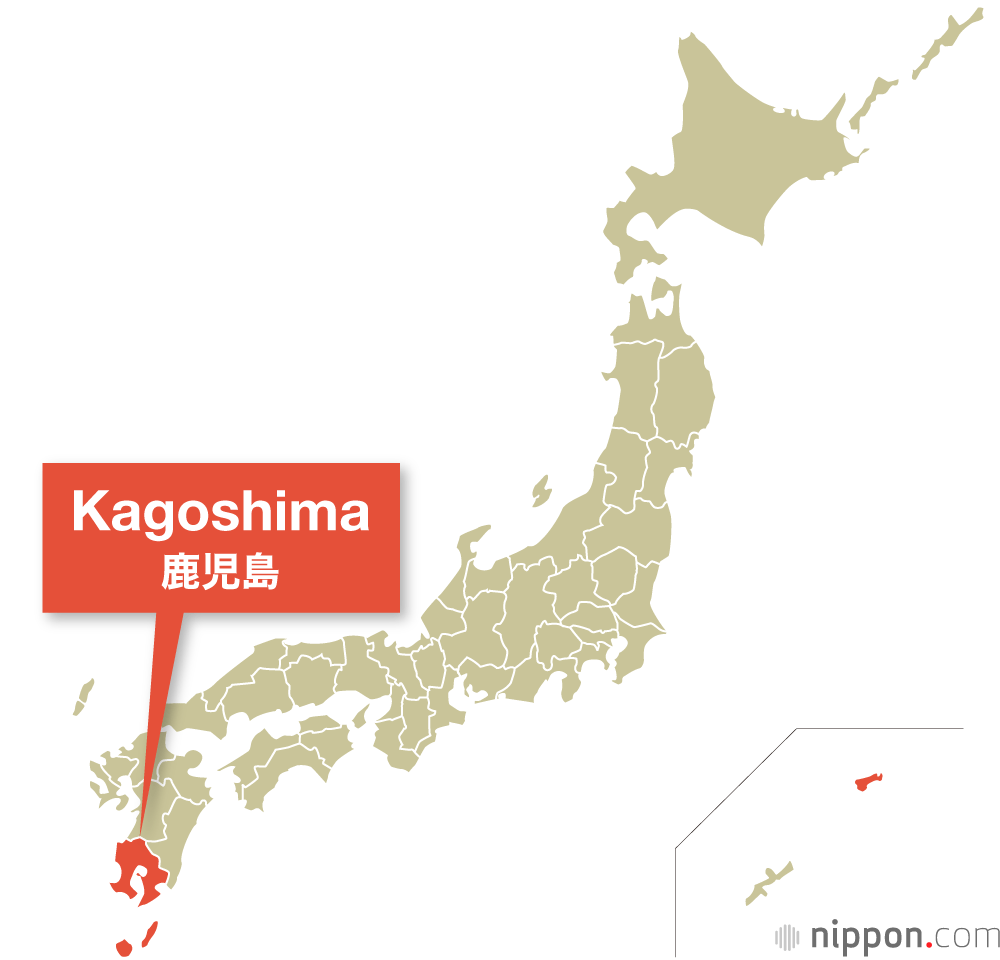
Read More 🡥

Newsletter

Subscribe to our newsletter for update informations, recipes or insight

Latest Post

template
Template 2
Template